2026.05.15 (금) 20:50




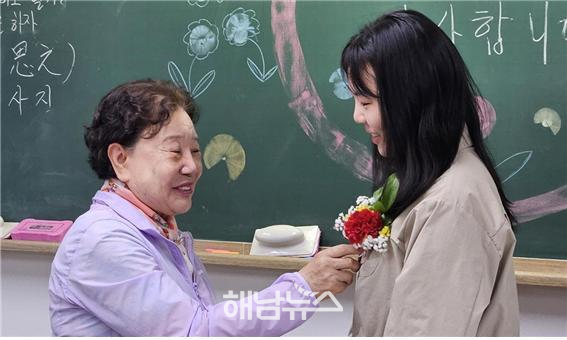 5월 15일은 스승의날 / 사진제공=chat gpt |
【전남·광주=AI호남뉴스】 aihnnews@kakao.com
5월 15일 스승의 날은 단순한 기념일이 아니다.
한 사회가 교육을 어떻게 바라보고, 스승을 어떤 존재로 존중하는지를 돌아보는 날이다.
스승의 날은 1963년 청소년 적십자 단원들이 병중에 있는 은사를 찾아 위문한 활동에서 시작됐다.
이후 세종대왕 탄신일인 5월 15일로 지정되며, 단순한 감사의 차원을 넘어 ‘교육의 가치’를 되새기는 국가적 의미를 담게 되었다.
한때 학교는 존경의 공간이었다.
교사는 단순한 지식 전달자가 아니라 삶의 방향을 잡아주는 어른이었고, 학생들은 스승을 통해 인성과 공동체 정신을 배웠다.
그러나 지금의 현실은 참담하다.
교단은 무너지고 있다.
교사는 교육자가 아니라 민원 처리자처럼 내몰리고 있으며, 정당한 생활지도조차 아동학대 논란으로 번지는 일이 반복되고 있다.
교권 침해와 악성 민원, 온라인 신상 공격, 학부모 갑질 논란은 더 이상 일부 사례가 아니다.
아이들을 올바르게 지도하려는 교사가 오히려 두려움 속에서 수업을 해야 하는 현실.
학생을 훈육하면 고소당할까 걱정하고, 학부모 전화 한 통에 교사의 명예와 삶이 흔들리는 구조 속에서 누가 교육에 사명감을 가질 수 있겠는가.
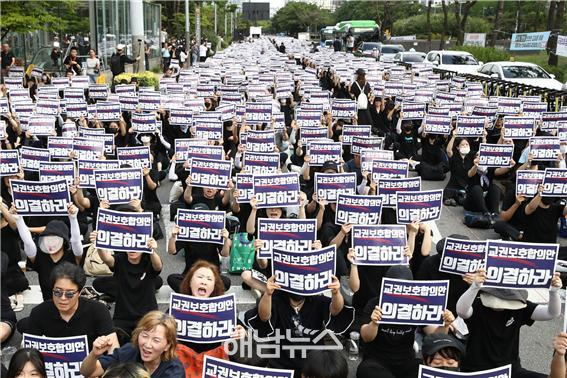 5월 15일은 스승의날 / 사진제공=chat gpt |
최근 수년간 전국 곳곳에서 발생한 교사들의 극단적 선택은 단순한 개인 비극이 아니다.
그것은 대한민국 교육 시스템이 보내는 구조적 경고다.
문제는 단지 교권만이 아니다.
교권 붕괴는 결국 학생 교육의 붕괴로 이어진다.
교사가 권위를 잃은 교실에서 아이들은 규범과 책임을 배우기 어렵다.
존중이 사라진 공간에서는 배움도 흔들린다.
교권과 학생 인권은 서로 충돌하는 개념이 아니라, 함께 균형을 이루어야 할 교육의 두 축이다.
그렇다면 우리는 어디로 가야 하는가.
첫째, 교권 보호를 선언이 아닌 실질적 제도로 강화해야 한다.
악성 민원과 무분별한 신고에 대응할 수 있는 법적 보호 장치와 교육청 차원의 즉각 대응 시스템이 필요하다.
정당한 생활지도에 대해서는 국가가 교사를 보호한다는 분명한 원칙이 세워져야 한다.
둘째, 교육의 책임을 학교에만 떠넘기는 사회 분위기부터 바뀌어야 한다.
가정과 학교, 지역사회가 함께 아이를 키운다는 공동체적 인식 회복이 절실하다.
교육은 서비스가 아니라 미래를 함께 만드는 공공의 가치이기 때문이다.
셋째, 교사에 대한 사회적 존중을 회복해야 한다.
존경 없는 교육은 존재할 수 없다.
교사를 잠재적 가해자처럼 바라보는 사회에서는 결코 건강한 교육이 자랄 수 없다.
스승의 날마다 “감사합니다.”라는 말은 넘쳐난다.
하지만 진정한 감사는 꽃 한 송이나 선물이 아니라, 교사가 아이들을 제대로 가르칠 수 있는 환경을 만들어주는 것이다.
대한민국의 미래는 결국 교실 안에서 만들어진다.
그리고 그 교실을 지키는 사람은 교사다.
스승을 잃은 사회에는 미래가 없다.
이제 우리 사회는 단순한 기념을 넘어, 왜 스승이 존중받지 못하는 나라가 되었는지 스스로에게 물어야 한다.
교권 회복은 교사만을 위한 일이 아니다.
그것은 무너져가는 교육의 신뢰를 다시 세우고, 우리 아이들의 미래를 지키는 일이다.
[AI Honam News Column]
“A Society That Loses Its Teachers Has No Future” — What Teachers’ Day Must Ask Again
Respect Has Disappeared While Only Responsibility Remains in Schools… Beyond Restoring Teachers’ Rights, We Must Rebuild Trust in Education
【Gwangju & Jeonnam = AI Honam News】 aihnnews@kakao.com
May 15, Teachers’ Day, is not merely a commemorative occasion.
It is a day to reflect on how a society views education and how deeply it respects its teachers.
Teachers’ Day in Korea began in 1963 when members of the Youth Red Cross visited and cared for their sick former teachers.
Later, it was officially designated as May 15, the birth anniversary of King Sejong the Great, giving the day national significance beyond simple gratitude — a day to reaffirm the value of education itself.
There was once a time when schools were places of respect.
Teachers were not merely transmitters of knowledge, but mentors who guided students through life.
Students learned character, responsibility, and community spirit through their teachers.
But today’s reality is deeply troubling.
The educational field is collapsing.
Teachers are being pushed into the role of complaint handlers rather than educators, while even legitimate student guidance is increasingly entangled in accusations of child abuse.
Violations of teachers’ rights, malicious complaints, online harassment, and abusive behavior from some parents are no longer isolated incidents.
Teachers who genuinely try to guide students are now forced to teach in fear.
When disciplining students may lead to lawsuits, and a single complaint from a parent can destroy a teacher’s reputation and livelihood, who can continue to devote themselves to education with conviction and pride?
The tragic deaths of teachers across the country in recent years are not merely personal tragedies.
They are structural warnings sent by South Korea’s educational system itself.
The problem is not only the collapse of teachers’ authority.
The breakdown of teachers’ rights inevitably leads to the breakdown of education itself.
In classrooms where teachers have lost authority, students struggle to learn responsibility, discipline, and respect for rules.
Where respect disappears, learning itself begins to crumble.
Teachers’ rights and students’ rights are not opposing concepts.
They are two pillars of education that must coexist in balance.
So where must we go from here?
First, protection for teachers must move beyond declarations and become a practical institutional system.
Legal safeguards against malicious complaints and reckless accusations must be strengthened, alongside rapid-response systems led by educational authorities.
The nation must establish a clear principle: teachers acting within legitimate educational guidance will be protected.
Second, society must stop placing the entire burden of education solely on schools.
Families, schools, and communities must restore a shared sense of responsibility in raising children together.
Education is not a commercial service — it is a public value that shapes the future of society.
Third, society must restore respect for teachers.
Education cannot exist without respect.
A society that views teachers as potential offenders can never cultivate healthy education.
Every Teachers’ Day, words of gratitude overflow.
But true appreciation is not expressed through flowers or gifts.
It is shown by creating an environment where teachers can properly teach and guide children.
The future of South Korea is ultimately built inside classrooms.
And the people protecting those classrooms are teachers.
A society that loses its teachers has no future.
Now, beyond simple commemoration, society must ask itself why teachers are no longer respected.
Restoring teachers’ rights is not only for teachers themselves.
It is about rebuilding trust in education and protecting the future of our children.
해남뉴스 news@hbcnews.kr