2026.05.08 (금) 19:17



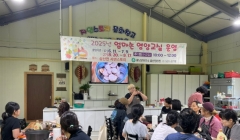
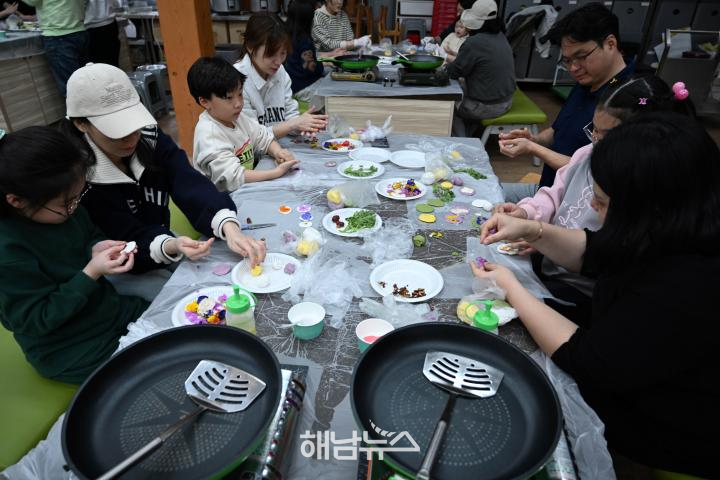 화전놀이 체험행사 / 사진제공=전라남도 |
잊혀가던 봄의 전통이 다시 살아난다.
전라남도농업박물관이 가족과 함께하는 체험형 전통문화 프로그램을 통해 ‘봄의 기억’을 현재로 불러낸다.
전라남도농업박물관은 오는 28일 오전 10시부터 12시까지 쌀문화관 체험실에서 가족 단위 방문객을 대상으로 ‘새봄맞이 화전놀이 체험행사’를 개최한다고 밝혔다.
이번 행사는 단순한 체험을 넘어, 우리 고유의 세시풍속인 ‘화전놀이’를 현대적으로 재해석해 세대 간 문화 공유의 장을 마련하기 위해 기획됐다.
■ “꽃을 따고, 떡을 빚고, 봄을 나눈다.”… 사라진 공동체 문화의 복원
화전놀이는 진달래가 피는 춘삼월, 마을 여성들이 산과 들로 나가 꽃을 따고 화전을 만들어 나누며 노래와 춤을 즐기던 전통 민속놀이이다.
특히 남성 중심 사회 속에서도 여성들이 주체가 되어 자유롭게 어울릴 수 있었던 대표적인 공동체 문화로, 단순한 놀이를 넘어 ‘해방과 연대’의 의미를 담고 있다.
이번 체험에서는 참가자들이 화전놀이의 역사와 민속적 의미를 배우고, 진달래 등 제철 봄꽃을 활용해 직접 화전을 만들어 시식하는 프로그램이 진행된다.
아이부터 어른까지 함께 참여할 수 있어 가족 단위 체험 행사로서의 가치도 높다.
■ 선착순 70명 모집… “봄을 오감으로 체험하는 시간”
참가 대상은 선착순 70명으로, 참가비는 1인 5천 원이다.
참여를 희망하는 경우 전라남도농업박물관 누리집을 통해 신청하면 된다.
최병남 전라남도농업박물관장 직무대리는 “주말을 맞아 온 가족이 꽃향기 가득한 화전놀이에 참여해 선조들의 봄맞이 문화를 직접 체험하고, 전통에 대한 이해와 함께 특별한 추억을 만들 수 있기를 기대한다.”고 말했다.
■ “체험을 넘어 계승으로”… 지역 문화자산의 새로운 활용 모델
이번 행사는 단순한 이벤트를 넘어, 사라져가는 전통 세시풍속을 현대 체험 콘텐츠로 복원하는 사례라는 점에서 의미가 크다.
특히 농업과 음식, 민속과 공동체가 결합된 화전놀이는 지역 문화자산의 활용 가능성을 보여주는 대표적 모델로 평가된다.
봄은 오고, 꽃은 피지만 전통은 스스로 이어지지 않는다.
그 전통을 다시 살리는 것은 결국 ‘체험’이며, 그 체험의 현장이 바로 지금, 전남농업박물관이다.
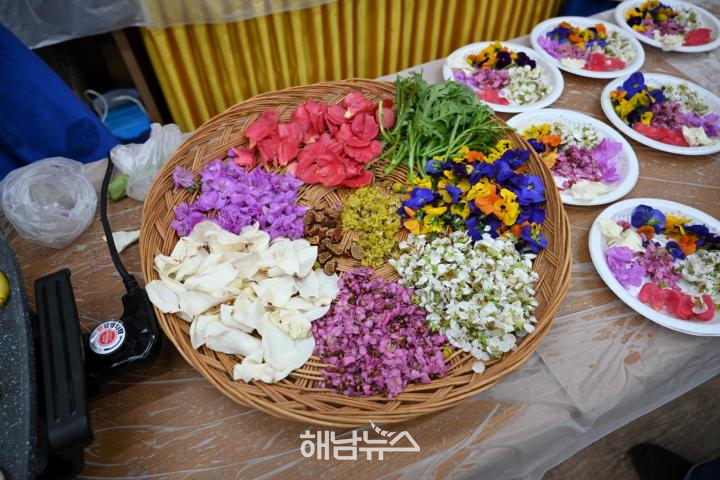 화전놀이 체험행사 / 사진제공=전라남도 |
“Tasting Spring, Carrying Tradition Forward”…
Jeonnam Agricultural Museum Hosts Hwajeon Festival to Connect Generations
【Jeonnam = Haenam News】 haenamnews@kakao.com
A fading tradition of spring is coming back to life.
The Jeonnam Agricultural Museum is reviving the “memory of spring” through a hands-on cultural program designed for families.
The museum announced that it will hold a “Spring Hwajeon Experience Event” on the 28th from 10:00 AM to 12:00 PM at the Rice Culture Hall experience room, inviting family visitors to take part.
More than just a simple activity, the program reinterprets hwajeon-nori, a traditional seasonal custom of Korea, creating a space where generations can share and experience cultural heritage together.
■ “Picking flowers, making rice cakes, sharing spring”… Revival of a lost communal culture
Hwajeon-nori is a traditional folk activity held in early spring when azaleas bloom. Women would gather in groups, venture into nearby mountains and fields, pick flowers, and make hwajeon (flower rice cakes), enjoying songs, dances, and shared meals.
In a historically male-dominated society, this occasion allowed women to take center stage, freely expressing themselves through music and celebration. It represents not just a pastime, but a cultural symbol of liberation and solidarity.
During the program, participants will learn about the historical and cultural significance of hwajeon-nori and create their own hwajeon using seasonal spring flowers such as azaleas.
The experience is open to all ages, making it especially meaningful as a family-oriented cultural activity.
■ Limited to 70 participants… “An immersive spring experience through all senses”
Participation is limited to 70 people on a first-come, first-served basis, with a fee of 5,000 KRW per person.
Applications can be submitted through the Jeonnam Agricultural Museum’s official website.
Acting Director Choi Byeong-nam stated, “We hope families will enjoy the fragrance of spring through hwajeon-nori, experience the seasonal traditions of our ancestors firsthand, and create meaningful memories together.”
■ Beyond experience to preservation… A new model for cultural heritage utilization
This event goes beyond a simple program, serving as an example of how traditional seasonal customs can be revived as modern experiential content.
Hwajeon-nori, which combines agriculture, food, folklore, and community, is emerging as a representative model for the sustainable use of local cultural assets.
Spring returns and flowers bloom every year, but traditions do not continue on their own.
It is through experience that traditions are preserved—and that experience is happening now at the Jeonnam Agricultural Museum.
 해남뉴스 박충배 편집 및 논설위원 haenamnews@kakao.com