2026.03.18 (수) 05:24




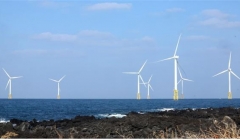
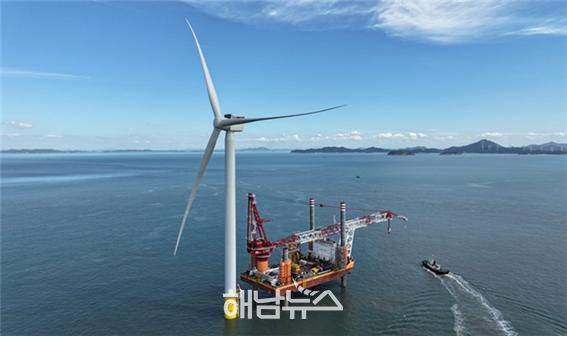 해상풍력발전 / 사진제공=전라남도 |
전라남도가 해상풍력 산업의 새로운 전환점을 맞이했다.
그동안 복잡한 인허가 절차와 불확실성으로 지연돼 왔던 해상풍력 사업이 제도적 기반을 갖추며 본격적인 속도전에 돌입하게 됐다.
전라남도는 17일 ‘해상풍력 특별법 시행령’ 제정안이 국무회의를 통과함에 따라 예비지구 발굴을 적극 추진하는 한편, 기존 발전사업도 차질 없이 이어가겠다는 방침을 밝혔다.
이번 시행령은 해상풍력 사업 추진에 필요한 구체적인 기준과 절차를 담고 있으며, 제도 정비를 통해 사업의 예측 가능성과 안정성을 크게 높였다는 점에서 의미가 크다.
시행령에는 예비지구 및 발전지구 지정 기준과 요건을 비롯해 주민 수용성 확보를 위한 민관협의회 운영 방식, 사업자 선정 절차, 환경성 평가 기준 등이 포함됐다.
특히 그동안 사업 추진의 가장 큰 걸림돌로 지적돼 온 인허가 문제를 획기적으로 개선한 것이 핵심이다.
발전지구 사업자로 선정될 경우 공유수면허가와 전기사업허가 등 28개 법령에 따른 42개 인허가 사항이 일괄 처리되면서, 착공까지 소요되는 기간이 기존보다 대폭 단축될 전망이다.
이에 따라 사업 착수까지 길게는 10년 이상 걸리던 구조에서 벗어나 약 3년 내 착공이 가능한 환경이 조성될 것으로 기대된다.
이 같은 제도 변화에 맞춰 전남도는 선제적인 대응에 나선다. 공공주도로 발굴한 여수와 고흥 해역 약 2GW 규모를 해상풍력 예비지구로 우선 신청할 계획이다.
이는 단순한 사업 추진을 넘어 향후 산업 집적과 투자 유치, 일자리 창출로 이어질 전략적 선택으로 해석된다.
계획입지 중심의 개발 체계가 도입되면서 무분별한 개발을 방지하고 체계적인 해상풍력 단지 조성이 가능해졌다는 점도 중요한 변화다.
전남은 이미 신안과 진도 해역을 중심으로 7.3GW 규모의 해상풍력 집적화단지를 추진 중이다.
여기에 이번 예비지구 지정까지 더해질 경우 전남은 국내를 넘어 세계적인 해상풍력 거점으로 도약할 수 있는 기반을 확보하게 된다.
이는 단순한 전력 생산을 넘어 에너지 산업 전반을 이끄는 핵심 축으로 작용할 전망이다.
이번 시행령에는 산업 생태계 구축을 위한 내용도 포함됐다.
해상풍력 전문인력 양성과 연구개발, 사업화 촉진, 전문연구기관 지정 등 산업 기반 전반을 강화하기 위한 제도적 장치가 마련되면서 발전설비 중심의 단일 산업에서 벗어나 기술과 인력, 기업이 함께 성장하는 구조로의 전환이 기대된다.
전남도 관계자는 “특별법 시행으로 사업 추진의 불확실성이 크게 해소됐다”며 “시군과 협력해 예비지구 후보지를 적극 발굴하고, 기존 발전사업과 집적화단지도 차질 없이 추진해 나가겠다.”고 밝혔다.
이어 “정부와 긴밀히 협력해 해상풍력 전문인력 양성과 산업 생태계를 조속히 구축함으로써 전남이 대한민국 에너지 대전환의 중심 거점으로 자리매김하도록 하겠다.”고 강조했다.
해상풍력 특별법 시행은 단순한 제도 개선을 넘어 지역 경제 구조의 변화를 예고하고 있다.
바람이라는 자연 자원이 전력으로, 다시 산업과 소득으로 이어지는 흐름 속에서 전남은 에너지 생산지를 넘어 에너지 산업의 중심지로 변화하고 있다.
서남해안을 따라 펼쳐진 바다는 이제 또 하나의 경제 공간으로 재편되고 있으며, 해남과 진도, 완도, 고흥을 잇는 이 축은 대한민국 에너지 미래를 이끄는 핵심 무대로 자리 잡아 가고 있다.
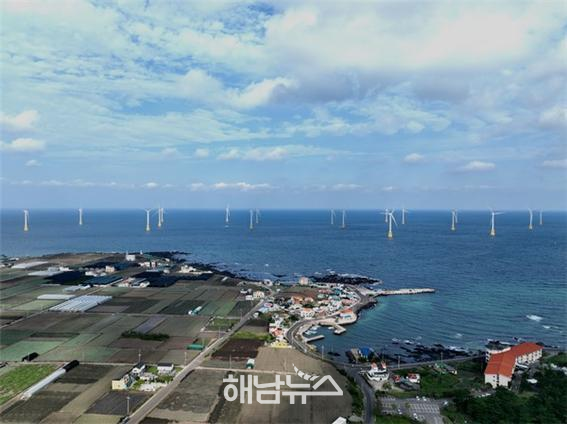 해상풍력발전 / 사진제공=전라남도 |
“Regulatory Barriers Removed”… Jeonnam Opens a ‘Fast-Track Era’ for Offshore Wind Power
[Jeonnam = Haenam News] haenamnews@kakao.com
South Jeolla Province (Jeonnam) has reached a major turning point in its offshore wind power industry.
Projects that had long been delayed due to complex permitting procedures and uncertainty are now entering a phase of accelerated development, supported by a newly established legal framework.
On March 17, the Jeonnam Provincial Government announced that the enforcement decree of the Special Act on Offshore Wind Power had passed the State Council. With this, the province plans to actively identify preliminary zones while ensuring that existing wind power projects continue without disruption.
The decree is significant in that it establishes detailed standards and procedures for offshore wind development, greatly enhancing predictability and stability for project implementation.
The enforcement decree includes criteria for designating preliminary and development zones, operational guidelines for public-private consultative bodies to ensure community acceptance, procedures for selecting project developers, and environmental assessment standards.
Most notably, it addresses the long-standing issue of complicated permitting processes. Once designated as a development zone operator, a project can receive integrated approval covering 42 permits under 28 different laws, including public water surface permits and electricity business licenses.
As a result, project timelines—previously taking over a decade in some cases—are expected to be shortened to approximately three years before construction can begin.
In response to these institutional changes, Jeonnam is moving proactively.
The province plans to apply for designation of a 2GW offshore wind preliminary zone in the waters off Yeosu and Goheung, which were identified through a public-led initiative.
This move is not merely about project approval but represents a strategic effort to drive industrial clustering, attract investment, and create jobs.
The introduction of a planned site-based development system is also expected to prevent indiscriminate development and enable more systematic offshore wind farm construction.
Jeonnam is already advancing a 7.3GW offshore wind cluster in the waters of Shinan and Jindo.
With the addition of new preliminary zones, the province is poised to establish itself as a global offshore wind hub.
This transformation is expected to extend beyond electricity generation, positioning Jeonnam as a key driver of the broader energy industry.
The decree also lays the foundation for building an industrial ecosystem.
It includes provisions for training specialized offshore wind professionals, promoting research and development, supporting commercialization, and designating specialized research institutions.
These measures signal a shift from a hardware-focused industry to a comprehensive ecosystem where technology, talent, and enterprises grow together.
A Jeonnam official stated,
“The enforcement of the Special Act has significantly reduced uncertainties in project development. We will work closely with cities and counties to identify candidate preliminary zones and ensure that both new and existing projects proceed smoothly.”
The official added,
“We will cooperate with the central government to rapidly build a skilled workforce and a robust industrial ecosystem, positioning Jeonnam as a central hub for Korea’s energy transition.”
The implementation of the Special Act marks more than just regulatory reform—it signals a structural transformation of the regional economy.
As wind energy is converted into electricity, and electricity into industry and income, Jeonnam is evolving from an energy production site into a center of energy industry.
The southwestern coastline is being reshaped into a new economic frontier, with Haenam, Jindo, Wando, and Goheung emerging as key pillars in leading Korea’s energy future.
 해남뉴스 박충배 편집 및 논설위원 haenamnews@kakao.com