2026.03.18 (수) 05:30




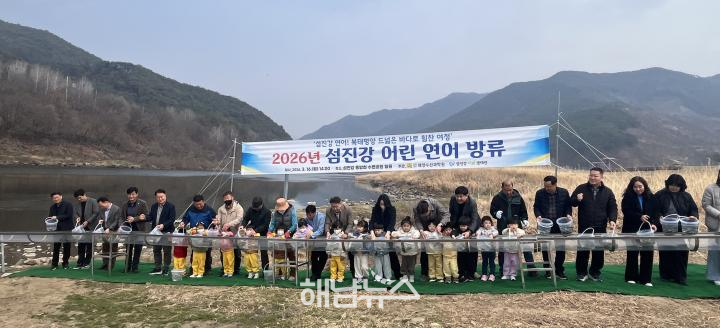 섬진강 어린연어 방류 / 사진제공=전라남도 |
섬진강에 다시 생명이 흐르기 시작했다.
전라남도가 어린 연어 40만 마리를 강물에 띄우며, 생태 회복과 수산자원 조성이라는 두 축의 미래를 동시에 그려냈다.
단순한 방류가 아닌, 자연의 순환을 복원하는 긴 여정의 출발이다.
전라남도 해양수산과학원은 16일 섬진강 수변공원 일원에서 어린 연어 40만 마리를 방류했다. 올해로 29회째를 맞은 이 행사는 지역 어린이집 원생과 초등학생, 환경단체 회원 등 100여 명이 함께하며 단순한 행사 이상의 의미를 더했다. 아이들의 손을 떠난 작은 생명들은 강을 따라 바다로 향하며, 다시 돌아올 약속을 품고 떠났다.
이번에 방류된 연어는 지난해 가을 섬진강으로 회귀한 어미 연어에서 채란해 직접 부화·사육한 개체들이다.
약 40일간 하천 환경에 적응한 뒤 자연으로 돌아간 이들은 북태평양 알래스카 해역까지 이동하는 장대한 여정을 시작한다.
그리고 3년에서 5년 후, 산란을 위해 다시 자신이 태어난 섬진강으로 돌아오는 ‘회귀 본능’을 이어간다. 이 반복되는 생명의 순환은 섬진강이 살아있다는 가장 분명한 증거이기도 하다.
전남도는 1998년부터 지금까지 1천178만 마리의 어린 연어를 방류해왔으며, 그 결과 약 6천700여 마리의 어미 연어가 실제로 섬진강으로 돌아왔다.
숫자로만 보면 크지 않을 수 있지만, 이는 단순한 수치가 아니라 생태계 복원 가능성을 보여주는 중요한 신호다.
끊어졌던 자연의 연결고리가 다시 이어지고 있다는 의미이기 때문이다.
특히 이번 방류는 과학기술이 결합된 점에서 주목된다. 연어의 귓속뼈인 ‘이석’에 온도 자극을 가해 고유의 무늬를 남기는 기술이 적용됐다. 부화 과정에서 수온을 조절해 생성된 이 표지는 훗날 돌아오는 연어를 분석할 때 중요한 단서가 된다.
이동 경로와 생존율, 계군 구조까지 파악할 수 있어, 방류 사업이 단순한 양적 확대를 넘어 데이터 기반의 과학적 관리로 진화하고 있음을 보여준다.
이와 함께 섬진강어류생태관에서는 어린 연어의 성장 과정을 직접 관찰할 수 있는 특별기획 전시가 31일까지 열린다.
관람객들은 수조 속에서 자라는 연어를 보며 생명의 성장과 자연의 질서를 체감하게 된다. 이는 단순한 전시를 넘어 생물다양성과 환경보전의 중요성을 자연스럽게 전달하는 살아있는 교육의 장이다.
전라남도 해양수산과학원 김충남 원장은 “연어는 섬진강 생태계의 건강성을 보여주는 대표적인 지표 생물”이라며 “앞으로도 지속적인 자원 조성과 생태 보전을 통해 건강한 수생태계를 만들어가겠다.”고 밝혔다.
섬진강에 풀려난 40만 마리의 어린 연어는 지금 이 순간에도 바다를 향해 흐르고 있다.
그 작은 몸짓 하나하나에는 전남의 생태 미래와 자연 회복의 가능성이 담겨 있다.
몇 년 뒤 다시 돌아올 그날, 우리는 단지 연어를 맞이하는 것이 아니라, 다시 살아난 강과 자연의 시간을 마주하게 될 것이다.
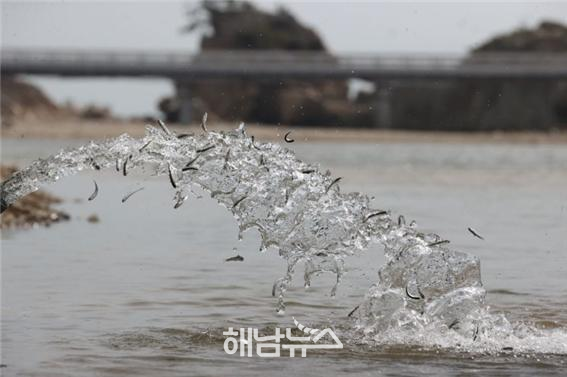 섬진강 어린연어 방류 / 사진제공=호남뉴스 |
Seomjin River, The Cycle of Life Begins Again
“400,000 Set Off”… Salmon Head for the Ocean, Carrying Jeonnam’s Future
4【Haenam News】 haenamnews@kakao.com
Life is flowing once again in the Seomjin River.
Jeollanam-do has released 400,000 juvenile salmon into its waters, simultaneously envisioning a future of ecological restoration and sustainable fisheries. This is not merely a release—it marks the beginning of a long journey to restore the natural cycle of life.
On the 16th, the Jeollanam-do Marine and Fisheries Science Institute released 400,000 juvenile salmon in the area around the Seomjin River waterfront park. Now in its 29th year, the event brought together about 100 participants, including kindergarten children, elementary school students, and members of environmental groups, adding deeper meaning beyond a simple ceremony. The small lives, released by the hands of children, began their journey downstream toward the sea, carrying with them a promise to return.
The salmon released this time were bred and raised from eggs collected from adult salmon that returned to the Seomjin River last autumn. After adapting to the river environment for about 40 days, they have now embarked on a long journey to the North Pacific, reaching as far as the waters off Alaska. In three to five years, they will return to their birthplace—the Seomjin River—to spawn, continuing their remarkable homing instinct. This repeating cycle of life stands as the clearest evidence that the Seomjin River is alive.
Since 1998, Jeollanam-do has released a total of 11.78 million juvenile salmon, with approximately 6,700 adult salmon confirmed to have returned to the river. While the number may seem modest, it represents more than statistics—it is a meaningful signal of ecological recovery. It signifies that the once-broken links of nature are being restored.
This year’s release is particularly noteworthy for its integration of scientific technology. A method known as “otolith thermal marking” has been applied, in which temperature variations during the hatching process create unique patterns in the salmon’s ear bones (otoliths). These markings will later serve as critical data for analyzing returning salmon.
Through this technique, researchers can track migration routes, survival rates, and population structures, demonstrating that the program has evolved beyond simple quantity expansion into a data-driven, science-based management system.
Meanwhile, at the Seomjin River Fish Ecology Center, a special exhibition is being held until the 31st, where visitors can observe the growth process of juvenile salmon firsthand. Watching the fish develop in tanks allows visitors to experience the order of life and nature, making it a living educational space that conveys the importance of biodiversity and environmental conservation.
Kim Chung-nam, Director of the Jeollanam-do Marine and Fisheries Science Institute, stated,
“Salmon are a key indicator species that reflect the health of the Seomjin River ecosystem. We will continue to enhance biodiversity and promote environmental awareness through sustained resource enhancement and ecological conservation efforts.”
At this very moment, the 400,000 juvenile salmon released into the Seomjin River are making their way toward the ocean. Each small movement carries the future of Jeonnam’s ecology and the possibility of nature’s recovery.
When they return in a few years, we will not simply be welcoming salmon back—we will be witnessing the return of a revived river and the restored rhythm of nature.
 해남뉴스 박충배 편집 및 논설위원 haenamnews@kakao.com