2026.04.01 (수) 05:40




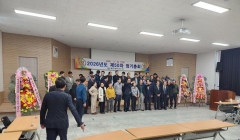
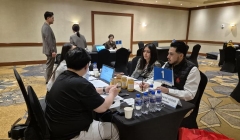
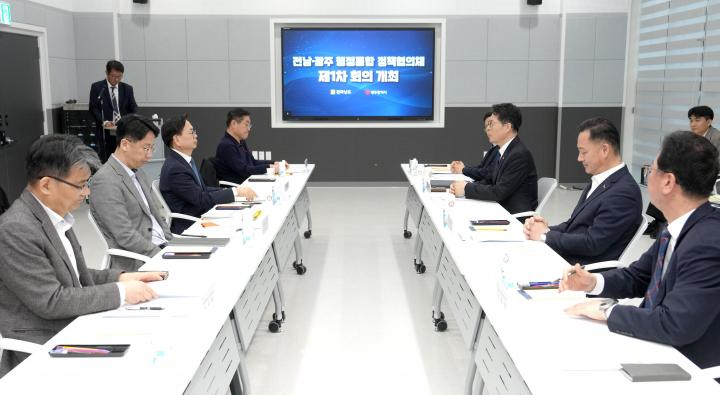 전남광주 정책협의체 합동사무실 현판식 및 회의 / 사진제공=전라남도 |
전남·광주 통합특별시가 ‘법의 선언 단계’를 넘어 ‘실제 작동하는 행정 시스템’으로 진입했다.
특별법 통과 한 달 만에 시행령 입법예고가 이뤄지면서, 통합특별시 출범을 위한 제도적 골격이 사실상 모습을 드러낸 것이다.
전라남도와 광주광역시는 31일 「전남광주통합특별시 설치를 위한 특별법 시행령안」이 입법예고에 들어갔다고 밝혔다.
이번 시행령안은 총 82개 조문으로 구성되며, ▲일반행정 ▲교육자치 ▲산업 활성화 ▲도시개발 ▲기타 사항 등 통합특별시 운영 전반을 포괄하는 구조로 설계됐다.
핵심은 ‘특례의 실행화’다.
특별법에 담긴 각종 특례를 실제 정책과 행정에 적용할 수 있도록 구체적인 기준과 절차를 마련했다는 점에서, 이번 시행령은 통합특별시의 ‘실질적 작동 매뉴얼’로 평가된다.
■ “권한·예산·인허가까지”… 통합시장 중심 실행 체계 구축
이번 시행령안에는 통합특별시의 경쟁력을 좌우할 핵심 특례들이 구체적으로 담겼다.
우선 국가첨단전략산업 특화단지와 관련해, 예산 편성과 인허가 협의·조정 권한을 통합특별시장에게 위임하는 특례가 포함됐다.
이는 기존 중앙정부 중심의 의사결정 구조를 지역 주도로 전환해, 투자 유치와 사업 추진 속도를 획기적으로 끌어올리겠다는 전략이다.
또한 분산에너지 특화지역 내 사업을 전력산업기반기금 지원 대상으로 명시하는 등, 에너지 자립도시 구축을 위한 제도적 기반도 마련됐다.
AI·데이터센터·첨단산업 유치를 위해 필수적인 전력 인프라 경쟁력을 제도적으로 뒷받침한 것이다.
여기에 문화·관광 분야에서는 문화지구, 문화산업지구, 관광특구 등을 대상으로 사증 발급 절차를 달리 적용할 수 있도록 규정해, 글로벌 관광·문화도시로의 도약 기반도 포함됐다.
■ “입법→시행령→실행”… 통합특별시 출범 로드맵 본격 가동
전남도와 광주시는 지난 3월 1일 특별법 국회 통과 이후, 전남·광주연구원 등과 함께 시행령 제정을 위한 실무 협의를 지속해왔다.
이번 입법예고는 그 결과물이자, 통합특별시 출범을 향한 ‘두 번째 관문’이라는 의미를 갖는다.
양 시·도는 입법예고 이후 법제처 심사 등 후속 절차에 맞춰 의견을 제출하고, 행정안전부 및 관계부처와의 협의를 통해 시행령 완성도를 높일 계획이다.
황기연 전남도지사 권한대행은 “이번 시행령안은 통합특별시 출범을 위한 제도적 기반을 구체화하는 중요한 단계”라며 “필요한 사항을 면밀히 검토해 보완이 필요한 부분은 적극 반영하겠다.”고 밝혔다.
고광완 광주시장 권한대행도 “특별법에 이어 시행령 제정안까지 속도감 있게 추진되며 통합의 기초가 빠르게 다져지고 있다”며 “추가 검토를 통해 필요한 수정·보완 사항을 지속 반영하겠다.”고 강조했다.
■ ‘대한민국 1호 광역통합’… 이제는 실행의 시간
전남·광주 통합특별시는 단순한 행정구역 통합을 넘어, 산업·에너지·인구 구조까지 재편하는 국가 프로젝트다.
이번 시행령 입법예고는 그 구상이 ‘정책 문장’에서 ‘현실 행정’으로 전환되는 결정적 분기점이다.
이제 남은 것은 속도와 완성도다.
제도가 마련된 만큼, 실제 투자와 산업, 일자리로 이어질 수 있는 실행력이 통합특별시의 성패를 가를 핵심 변수로 떠오르고 있다.
“Integration Is Not a Declaration, but Execution”… Jeonnam–Gwangju Move to Complete ‘Operational Framework’ with Enforcement Decree Notice
Sub: 82 Articles Define Administrative, Energy, and Industrial Special Provisions… Full ‘Execution Blueprint’ Including Mayor Authority, Investment, and Permits
Sub: “Will Refine Through Supplementation”… Institutional Foundation for July Launch of Special Metropolitan City Accelerates
【Jeonnam = Haenam News】 haenamnews@kakao.com
The Jeonnam–Gwangju Integrated Special Metropolitan City has entered a phase beyond legal declaration, moving toward a fully functioning administrative system.
With the enforcement decree announced for public comment just one month after the special law passed the National Assembly, the institutional framework for launching the integrated city has effectively taken shape.
Jeollanam-do and Gwangju Metropolitan City announced on the 31st that the draft Enforcement Decree of the “Special Act on the Establishment of the Jeonnam–Gwangju Integrated Special Metropolitan City” has been released for public notice.
The draft decree consists of 82 articles and is structured to comprehensively cover all aspects of operating the integrated city, including ▲general administration ▲educational autonomy ▲industrial development ▲urban planning ▲and other provisions.
At its core is the “operationalization of special provisions.”
By establishing concrete standards and procedures to implement the special provisions outlined in the law, the decree is being evaluated as a practical operational manual for the integrated city.
■ “Authority, Budget, Permits”… Execution System Centered on the Mayor
The decree includes key provisions expected to determine the competitiveness of the integrated city.
First, for national advanced strategic industry clusters, authority over budget allocation and coordination of permits and approvals will be delegated to the mayor of the integrated city.
This marks a shift from a central government-led decision-making structure to a region-led model, aimed at dramatically accelerating investment attraction and project execution.
In addition, projects within distributed energy zones will be explicitly eligible for support from the Electric Power Industry Infrastructure Fund, laying the institutional groundwork for building an energy self-sufficient city.
This is a critical step in strengthening power infrastructure competitiveness essential for attracting AI, data centers, and advanced industries.
In the cultural and tourism sectors, the decree also allows for differentiated visa issuance procedures within designated areas such as cultural districts, cultural industry zones, and tourism special zones, providing a foundation for advancing as a global cultural and tourism hub.
■ “Legislation → Decree → Execution”… Launch Roadmap Now in Motion
Following the passage of the special law on March 1, Jeonnam and Gwangju have continued working-level consultations with institutions such as the Jeonnam–Gwangju Research Institute to formulate the enforcement decree.
This public notice marks the result of those efforts and represents the “second gateway” toward launching the integrated special metropolitan city.
Both governments plan to submit opinions in line with subsequent procedures, including review by the Ministry of Government Legislation, and will continue close consultations with the Ministry of the Interior and Safety and other relevant ministries to enhance the completeness of the decree.
Acting Governor of Jeollanam-do Hwang Gi-yeon stated,
“This enforcement decree is a critical step in concretizing the institutional foundation for the launch of the integrated special metropolitan city,” adding,
“We will thoroughly review necessary elements and actively reflect any needed improvements.”
Acting Mayor of Gwangju Ko Gwang-wan also emphasized,
“With the special law followed by the enforcement decree progressing at speed, the foundation for integration is being rapidly solidified,”
and added, “We will continue efforts to reflect necessary revisions and supplements through further review.”
■ Korea’s First Regional Integration… Now Comes Execution
The Jeonnam–Gwangju Integrated Special Metropolitan City is not merely an administrative merger—it is a national project aimed at restructuring industry, energy systems, and population dynamics.
The public notice of the enforcement decree marks a decisive turning point where policy vision transitions into real administrative execution.
What remains now is speed and completeness.
With the institutional framework in place, the key determinant of success will be execution—translating the system into real investments, industries, and jobs.
 해남뉴스 박충배 편집 및 논설위원 haenamnews@kakao.com