2026.02.23 (월) 08:09




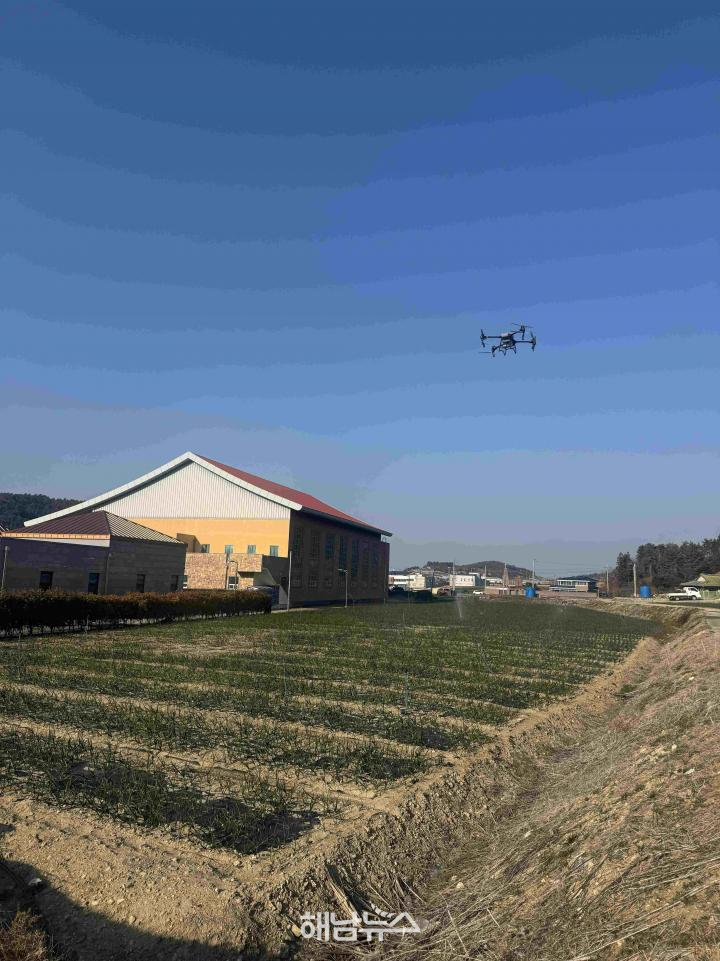 고흥 조생양파 방제 / 사진제공=전라남도 |
전라남도가 채소류 수급 불안에 선제적으로 대응하고, 생산비 절감과 유통 기반 확충을 통해 농가 경영 안정을 뒷받침하기 위해 2026년 원예산업 경쟁력 강화 사업에 총 670억 원을 투입한다.
도는 마늘·양파·배추·대파 등 주요 노지 채소 가격 변동성에 대응하고, 밭작물 기계화율 제고와 유통체계 혁신을 포함한 18개 핵심사업을 본격 추진한다고 밝혔다.
■ 수급안정 210억 원…가격 하락 선제 대응
최근 반복되는 채소류 가격 하락에 대비해 정부 농산물 안정 생산·관리 사업 144억 원과 전남도 자체 수급안정 사업 66억 원 등 총 210억 원을 확보했다.
이는 생산 조절과 시장 격리, 출하 조정 등을 통해 가격 급락을 사전에 차단하고 농가 소득을 안정화하기 위한 조치다.
■ 기계화에 281억 원…“사람 대신 기계로”
인건비 상승과 농촌 고령화에 대응하기 위해 밭작물 기계화율 제고에도 대규모 예산을 배정했다.
농기계 임대사업 102억 원, 농기계 종합보험료 지원 169억 원 등 4개 사업에 281억 원을 투입해 농가의 부담을 줄이고 작업 효율을 높일 계획이다.
■ 생산비 절감·연작장해 해소
원예작물 생산성 향상을 위해 생분해성 멀칭 농자재 지원 8억 원, 연작장해 경감제 지원 13억 원을 편성했다.
비닐멀칭 제거 작업 부담을 줄이고 토양 환경을 개선함으로써 노동력과 비용을 동시에 절감하는 효과가 기대된다.
■ 기반·유통 강화 158억 원…저온체계 구축
원예 생산 기반 활력화 사업 38억 원, 저온유통체계 구축 25억 원 등 10개 사업에 158억 원을 투입해 산지 경쟁력을 높인다.
특히 저온유통망 확충은 품질 유지와 출하 조절 기능을 강화해 가격 안정과 소비자 신뢰 확보에 기여할 전망이다.
유덕규 전남도 농축산식품국장은 “농자재 가격 상승과 인건비 부담으로 어려움을 겪는 농가의 경영 안정을 위해 원예산업 경쟁력 강화 사업을 적극 추진하고 있다”며 “기계화 촉진을 통한 생산비 절감과 선제적 가격 안정 대책 마련에 최선을 다하겠다.”고 강조했다.
한편 전라남도는 이번 사업을 통해 농가 소득 안정은 물론, 지속 가능한 원예산업 구조 전환과 시장 대응력을 한층 강화한다는 방침이다.
[Jeonnam = Haenam News] haenamnews@kakao.com
Jeollanam-do to Invest KRW 67 Billion in Horticulture Industry
Preemptive price stabilization for vegetables, promotion of field crop mechanization among 18 key projects
Comprehensive support ranging from cost reduction to cold-chain distribution expansion
Jeollanam-do Province announced that it will invest a total of KRW 67 billion (approximately USD equivalent based on exchange rate) in 2026 to strengthen the competitiveness of its horticulture industry. The initiative aims to proactively address supply instability in vegetable markets, reduce production costs, and expand distribution infrastructure to stabilize farm management.
The province will implement 18 key projects, focusing on mitigating price volatility of major open-field vegetables such as garlic, onions, napa cabbage, and green onions, while also enhancing mechanization rates and modernizing distribution systems.
■ KRW 21 Billion for Supply Stabilization… Preemptive Response to Price Declines
To prepare for recurring price drops in vegetable markets, the province secured KRW 14.4 billion for the central government’s agricultural production and supply management program and KRW 6.6 billion for its own stabilization initiatives, totaling KRW 21 billion.
These measures aim to prevent sharp price declines in advance through production control, market isolation, and shipment adjustments, thereby stabilizing farmers’ incomes.
■ KRW 28.1 Billion for Mechanization… “Machines Instead of Manual Labor”
In response to rising labor costs and the aging rural population, the province allocated substantial funding to increase mechanization rates for field crops.
KRW 10.2 billion will be invested in agricultural machinery rental programs and KRW 16.9 billion in comprehensive agricultural machinery insurance support, totaling KRW 28.1 billion across four projects. These efforts are expected to ease farmers’ financial burdens and improve operational efficiency.
■ Reducing Production Costs and Mitigating Continuous Cropping Damage
To enhance productivity, KRW 800 million will be provided to support biodegradable mulching materials, and KRW 1.3 billion will be allocated for soil treatment agents to alleviate continuous cropping damage.
The initiative is expected to reduce labor required for removing plastic mulch and improve soil conditions, lowering costs while boosting productivity.
■ KRW 15.8 Billion for Infrastructure and Distribution… Expanding Cold-Chain Systems
A total of KRW 15.8 billion will be invested in 10 projects aimed at revitalizing horticultural production infrastructure and strengthening distribution systems, including KRW 3.8 billion for production base revitalization and KRW 2.5 billion for cold-chain distribution facilities.
Expanding cold storage and logistics systems is expected to enhance product quality control, enable better shipment timing, and contribute to price stability and consumer trust.
Yoo Deok-gyu, Director-General of the Agriculture, Livestock and Food Bureau of Jeollanam-do, stated, “We are actively promoting this horticulture competitiveness program to stabilize farm management amid rising input costs and labor expenses. We will do our utmost to reduce production costs through mechanization and establish proactive price stabilization measures.”
The province added that the initiative will not only stabilize farm incomes but also accelerate the transition toward a more sustainable and competitive horticulture industry.
 해남뉴스 박충배 편집 및 논설위원 haenamnews@kakao.com