2026.02.21 (토) 07:53




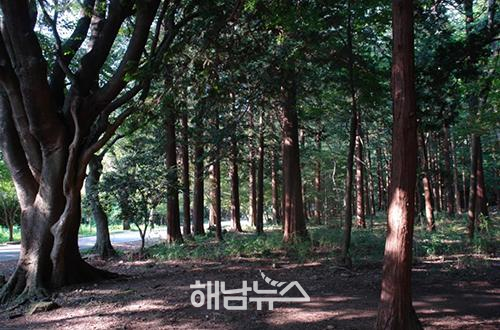 세계문화유산 대흥사 편백나무 숲 / 사진제공=해남뉴스 |
【기획보도】
해남 삼산면 두륜산 자락에는 세계문화유산 대흥사와 나란히 숨 쉬는 편백 숲이 있다.
금당천과 장춘계곡 사이, ‘나무아미타불’ 약수터 위에서 도솔봉으로 향하는 길목, 대흥사 삼거리 양측으로 이어진 울창한 편백나무 군락이다.
자연 조건만 놓고 보면 이곳은 이미 완성된 치유의 산림이다.
숲은 빼곡하고, 물은 맑으며, 수행의 전통이 살아 있는 공간과 맞닿아 있다.
차문화의 상징 공간인 일지암이 지척에 있고, 템플스테이와 명상을 결합하면 세계 어디에 내놓아도 손색없는 치유 관광 모델이 가능하다.
그러나 현실은 정반대다.
잡목은 정리되지 않은 채 숲의 동선을 흐리고, 산책로는 체계 없이 이어진다. 이 숲이 무엇을 지향하는지, 어떤 가치로 확장될 수 있는지 설명하는 전략은 보이지 않는다.
세계유산이라는 이름은 있으되, 그것을 지역 성장 동력으로 연결하려는 실행력은 찾아보기 어렵다.
문제는 자연이 아니다. 관리의 태도다.
지자체는 매년 관련 예산과 보조금을 집행하지만, 이 숲을 전략 자산으로 육성하려는 구체적 계획은 제시하지 못하고 있다.
편백 숲을 단순한 ‘산책 공간’ 수준에 머물게 하는 행정은 결과적으로 방치와 다르지 않다.
세계유산과 결합된 치유 산림이라는 독보적 조건을 갖고도, 브랜드화와 콘텐츠 개발에 소극적인 태도는 책임 있는 행정이라고 보기 어렵다.
사찰 측 또한 자유롭지 않다.
세계문화유산이라는 상징성과 지원을 받고 있으면서도, 바로 곁의 편백 숲을 명상·차문화·산림치유와 체계적으로 연결하려는 적극적 시도는 미미하다.
템플스테이를 운영하면서도 숲을 수행과 치유의 확장 공간으로 재구성하지 않는 것은, 유산을 ‘보존’의 틀 안에만 가두는 태도에 가깝다.
유산은 보존만으로 완성되지 않는다.
공유와 확장을 통해 지역과 호흡할 때 비로소 생명력을 얻는다.
전국 곳곳이 편백 숲을 치유 자원으로 활용하고 있지만, 해남 삼산의 숲은 구조적으로 다르다.
세계유산과 함께 호흡하는 공간이며, 차의 성지와 연결되고, 계곡과 약수터, 도솔봉으로 이어지는 입체적 자연 동선을 갖춘 복합 산림이다.
이 조건은 단순 산림 관광지와는 차원이 다르다.
그럼에도 이를 전략 산업으로 전환하지 못한다면, 그것은 환경의 문제가 아니라 의지의 문제다.
해남을 아끼는 이들 사이에서는 이미 깊은 한숨이 흘러나오고 있다. “이 정도 자산을 살리지 못하면 무엇을 하겠다는 것인가”라는 자조 섞인 물음이다.
편백 숲은 이미 준비돼 있다.
필요한 것은 잡목 정리와 체계적 동선 설계, 명상·차·템플스테이를 결합한 치유 프로그램 도입, 그리고 이를 세계유산과 연결하는 분명한 비전이다.
이제 선택의 시간이다.
세계유산 곁 치유의 숲을 단순한 관리 대상에 머물게 할 것인가, 아니면 해남의 미래 성장 축으로 전환할 것인가.
지금의 안이한 태도가 계속된다면, 그 책임은 고스란히 지역의 미래로 돌아올 것이다.
세계적 자산을 가지고도 활용하지 못한 무책임이라는 기록만 남지 않도록, 대흥사와 지자체의 결단이 요구되는 시점이다.
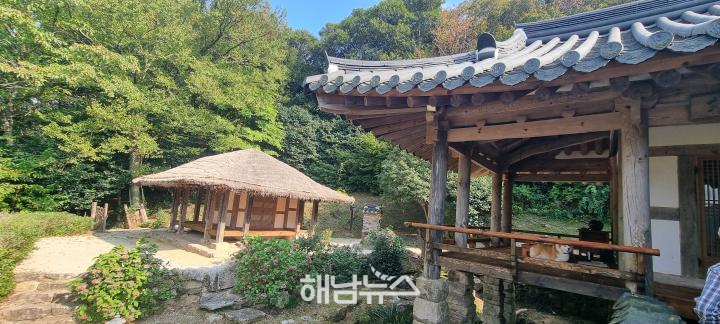 세계문화유산 대흥사 일지암 홍련암 / 사진제공=해남뉴스 |
[Haenam = Haenam News] haenamnews@kakao.com
【Special Report】
Why Is the Cypress Forest Beside a World Heritage Site Being Neglected?
At the foot of Duryunsan Mountain in Samsan-myeon, Haenam, there stands a dense cypress forest breathing alongside the World Heritage temple, Daeheungsa.
Stretching between Geumdangcheon Stream and Jangchun Valley, above the “Namu Amitabul” spring and along the path leading to Dosolbong, the forest lines both sides of the three-way intersection near the temple in thick green formation.
By natural standards alone, this is already a completed healing forest.
The trees are dense, the waters are clear, and the site is connected to a living tradition of Buddhist practice.
Just nearby lies Iljiam Hermitage, a symbolic center of Korean tea culture.
If combined with temple stay programs and meditation, the area could evolve into a world-class healing tourism model.
Yet the reality is the opposite.
Underbrush remains unmanaged, obscuring pathways. Trails continue without coherent structure. There is no clear strategy explaining what this forest aspires to be or how its value could be expanded.
The title of “World Heritage” exists in name, but the execution needed to transform it into a regional growth engine is difficult to find.
The problem is not nature. It is management.
The local government allocates and disburses related budgets and subsidies each year, yet it has failed to present a concrete plan to cultivate this forest as a strategic asset. Reducing such a uniquely positioned healing forest—one integrated with a World Heritage site—to a mere walking path amounts to neglect.
Possessing such distinct conditions yet remaining passive in branding and content development cannot be described as responsible governance.
The temple authorities are not exempt from responsibility.
Despite enjoying the prestige and institutional support that come with World Heritage status, there has been little visible effort to systematically connect the adjacent cypress forest with meditation, tea culture, and forest healing programs.
Operating temple stays without reimagining the forest as an expanded space for spiritual and therapeutic practice confines heritage within the narrow frame of “preservation” alone.
Heritage is not completed by preservation.
It gains vitality only when shared, expanded, and integrated with the surrounding community.
Across Korea, many regions actively utilize cypress forests as healing resources. However, the forest in Samsan, Haenam, is structurally different.
It breathes with a World Heritage site, connects with a historic tea sanctuary, and forms a multi-layered natural corridor linking streams, valleys, springs, and mountain paths.
This is not an ordinary forest destination.
If such conditions fail to be transformed into a strategic industry, the issue lies not in environment but in will.
Among those who love Haenam, a deep sigh can already be heard:
“If we cannot activate an asset of this magnitude, what exactly are we trying to achieve?”
The cypress forest is ready.
What is needed is undergrowth management, systematic trail design, the introduction of integrated programs combining meditation, tea culture, and temple stays, and a clear vision that connects all of this to the World Heritage narrative.
The time to choose has arrived.
Will this healing forest beside a World Heritage site remain a mere object of maintenance, or will it become a central axis of Haenam’s future growth?
If the current complacent attitude continues, the responsibility will inevitably return to the region’s future.
To avoid being remembered as a place that possessed a world-class asset yet failed to utilize it, decisive action from both Daeheungsa Temple and the local government is urgently required.
 해남뉴스 박충배 편집 및 논설위원 haenamnews@kakao.com