2025.12.31 (수) 16:58



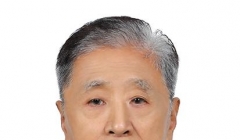
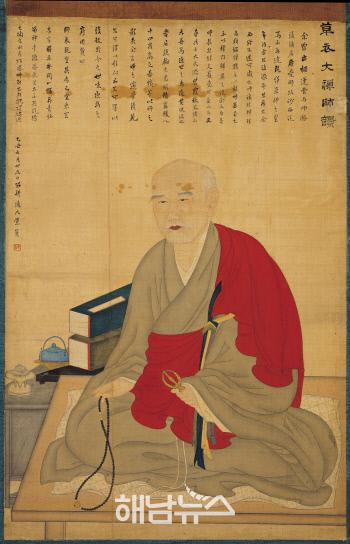 대흥사 13대 종사 진영 / 사진제공=해남뉴스 |
박충배 편집/칼럼/논설
아래의 “대흥사 13대강사(十三大講師)”는 대흥사 강원(講院)에서 경전·율·논을 강설하며 ‘강백/대강사’로서 학인 교육을 이끈 핵심 강사 계보를 말합니다. 『대둔사지』 전승을 바탕으로 만화 원오에서 범해 각안까지 13명이 널리 알려져 있습니다.
1) 대흥사 13대강사 명단(통설)
만화 원오(萬化 圓悟) → 연해 광열(燕海 廣悅) → 영곡 영우(靈谷 永愚) → 나암 승제(懶庵 勝濟) → 영파 성규(影波 聖奎) → 운담 정일(雲潭 鼎馹) → 퇴암 태관(退庵 泰觀) → 벽담 행인(碧潭 行忍) → 금주 복혜(錦洲 福慧) → 완호 윤우(玩虎 倫佑) → 낭암 시연(郞巖 示演) → 아암 혜장(兒庵 惠藏) → 범해 각안(梵海 覺岸)
또한 대한불교조계종 자료에서는 13대 강사들을 호암 체정(대흥사 10대 종사) 문도 계열로 정리해 소개하기도 합니다.
2) 13대강사 개인별 프로필과 업적
① 만화 원오(1694–1758)
해남 출신으로, 젊은 시절에는 속세에서 공생(貢生)을 지내다가 두륜산 대흥사로 출가했습니다.
환성·호암에게 참학하며 경전에 통달했고, 상원암에서 『화엄경』 39품의 종지를 밝힌 ‘화엄학승’으로 명성이 높았습니다.
말년에는 선 수행에도 깊이 들어 교학과 선을 함께 성숙시킨 인물로 평가됩니다.
② 연해 광열(생몰 미상)
편양 언기 계통의 법손으로 대흥사 제2대 강사로 전승됩니다.
성격이 호탕하고 격식에 얽매이지 않았으며, 선·교·염불(삼문 수학)을 두루 중시한 교학 지도자였습니다.
1775년에는 원오 등과 함께 『관음보살예문』을 대흥사에서 간행하는 등, 강원 교육과 신행(정토·관음 신앙) 확산을 함께 이끈 것으로 정리됩니다.
③ 영곡 영우(생몰 미상)
선운사로 출가해 경·율·논 삼장을 두루 통달한 승려로 소개됩니다.
이름 그대로 “영리함을 낮추는(永愚)” 태도 속에 교학의 골격을 단단히 세운 강사형 인물로 이해할 수 있습니다.
④ 나암 승제(생몰 미상)
조선 후기 승려로, 문집 『나암집』을 남긴 저술가형 강사로 요약됩니다.
강원의 강설 전통이 단지 ‘말’에 그치지 않고 문헌·문장으로 정리되어 후대 교육 자산으로 전환되었음을 보여주는 사례입니다.
⑤ 영파 성규(1728–1812)
용천사 환응장로의 제자 계열로, 대둔사(대흥사) 13대강사로 소개됩니다.
생몰년이 분명하고, 조선 후기 강원의 학풍이 전라도 산중에서 전국으로 뻗는 과정에서 교학을 체계화한 대표 강사로 거론됩니다.
⑥ 운담 정일(1741–1804)
경상도 상주 출신으로, 조선 후기 승려이자 『운담임간록』을 저술한 인물입니다.
지역을 넘어 대흥사 강원 전통으로 결집한 학풍을 상징하며, 강설 내용을 기록·정리하여 유통시킨 점이 핵심 업적입니다.
⑦ 퇴암 태관(1687–1767)
문헌 전승에서는 성품이 엄정하여 고요한 곳을 찾아 참선을 즐겼다는 식으로 소개되곤 합니다.
즉, “강사=교학”에만 머물지 않고 선적 엄정함을 강원의 기풍으로 끌어들인 인물상으로 읽힙니다.
⑧ 벽담 행인(1687–1748)
서산 휴정의 법제(法弟) 계열인 부휴 계통 후예로 전해지며, 계보적 정통성(법손·법맥)을 강원 전통에 접붙인 인물로 설명됩니다.
강원은 지식의 전수 기관이면서 동시에 법맥의 권위를 재생산하는 장이었는데, 행인은 그 연결고리로 자주 언급됩니다.
⑨ 금주 복혜(생몰 미상)
나주 출신으로, 대흥사 13대강사 중 9번째로 정리됩니다.
전승상 강원의 학맥 속에서 학인들을 길러낸 “교육자형 강사”로 위치하며, 대흥사 강원 계열이 특정 지역(해남)만이 아니라 호남권 전반의 승려 교육 네트워크였음을 보여줍니다.
⑩ 완호 윤우(1758–1826)
대흥사 서목의 제자로 13대강사 중 10번째로 소개됩니다.
특히 1811년 대화재 이후, 윤우가 중심이 되어 1812–1817년대에 걸친 중창 불사를 추진하고 천불전 중건 등 대흥사 재건의 흐름을 열었다는 점이 중요합니다(대흥사 중창과 『대둔사지』 편찬의 역사적 배경과도 연결).
⑪ 낭암 시연(생몰 미상)
미황사 설봉·벽하의 제자 계열로, 송암의 법맥을 계승한 승려로 정리됩니다.
즉, 대흥사 강원 계열이 대흥사 내부에만 갇힌 것이 아니라 인근 사찰(미황사 등)과의 학맥·법맥 연결망 속에서 작동했음을 보여줍니다.
⑫ 아암 혜장(1772–1811)
해남 출신으로, 『아암집』 3권을 남긴 대표적 학승입니다.
불경뿐 아니라 세속 학문에도 통달해 명성이 높았고, 30세 무렵 두륜산 승려대회(두륜대회)를 주도할 정도로 선·교 양종의 거목으로 평가됩니다.
또한 1801년 강진 유배 중의 정약용과 깊게 교유하며 지적 교류의 폭을 넓혔고, 특히 『수능엄경』·『대승기신론』에 뛰어났다고 전합니다.
⑬ 범해 각안(1820–1896)
완도 출신으로 두륜산 대둔사에서 출가해, 1846년 진불암에서 개당하고 『화엄경』·『범망경』 강설 및 선리 교육을 펼쳤습니다.
22년간 강당에서 학인을 가르친 뒤 전국 사찰을 순방하고 제주·한양·금강산·묘향산 등까지 두루 답사한 기록이 보이며, 저술 면에서는 고승전 『동사열전』을 비롯한 방대한 문헌을 남겨 “교육(강설)–기록(저술)–전승(문헌화)”을 완성한 인물로 평가됩니다.
글 : 한글문화대백과사전 참조
[Haenam = Haenam News]
haenamnews@kakao.com
Park Chung-bae
Editor / Columnist / Editorial Writer
The Thirteen Great Lecturers (十三大講師) of Daeheungsa Temple, Haenam
The term “Thirteen Great Lecturers of Daeheungsa (十三大講師)” refers to the core lineage of eminent monk-scholars who led monastic education at the Daeheungsa Buddhist Academy (Gangwon, 講院) by lecturing on the Tripiṭaka—Sūtra (經), Vinaya (律), and Abhidharma/Śāstra (論).
Serving as Gangbaek or Senior Lecturers, they were responsible for the systematic training of monastic students.
Based on the traditional transmission recorded in the Daedunsaji (Record of Daedunsa), thirteen lecturers—from Manhwa Won-o to Beomhae Gagan—are widely recognized.
1) Canonical List of the Thirteen Great Lecturers of Daeheungsa
Manhwa Won-o (萬化 圓悟) →
Yeonhae Gwangyeol (燕海 廣悅) →
Yeonggok Yeongu (靈谷 永愚) →
Naam Seungje (懶庵 勝濟) →
Yeongpa Seonggyu (影波 聖奎) →
Undam Jeongil (雲潭 鼎馹) →
Toe-am Taegwan (退庵 泰觀) →
Byeokdam Haengin (碧潭 行忍) →
Geumju Bokhye (錦洲 福慧) →
Wanho Yunu (玩虎 倫佑) →
Nangam Siyeon (郞巖 示演) →
Aam Hyejang (兒庵 惠藏) →
Beomhae Gagan (梵海 覺岸)
According to materials from the Jogye Order of Korean Buddhism, these thirteen lecturers are also categorized as belonging to the disciplic lineage of Ho-am Chejeong, the 10th Patriarch of Daeheungsa, underscoring their shared doctrinal and educational heritage.
2) Individual Profiles and Major Contributions of the Thirteen Lecturers
① Manhwa Won-o (1694–1758)
A native of Haenam, Won-o initially lived as a gongsaeng (state-recognized Confucian student) before entering monastic life at Daeheungsa on Mt. Duryun.
Under the guidance of Hwanseong and Ho-am, he attained deep mastery of Buddhist scriptures. He became renowned as a Huayan (Avataṃsaka) scholar-monk, particularly for elucidating the doctrinal essence of all 39 chapters of the Avataṃsaka Sūtra at Sangwon Hermitage.
In his later years, he devoted himself to meditative practice, achieving a mature integration of doctrinal learning and Seon (Zen) cultivation.
② Yeonhae Gwangyeol (dates unknown)
A dharma descendant of the Pyeonyang Eongi lineage, Gwangyeol is traditionally regarded as the second lecturer of Daeheungsa.
Known for his forthright and unrestrained character, he emphasized the integrated practice of Seon, doctrinal study, and Pure Land devotion.
In 1775, together with Won-o and others, he participated in the publication of the Ritual Text of Avalokiteśvara Bodhisattva, contributing both to monastic education and the expansion of devotional practice centered on Avalokiteśvara and Pure Land faith.
③ Yeonggok Yeongu (dates unknown)
Yeongu entered the monastic order at Seonunsa Temple and attained comprehensive mastery of the Three Baskets: Sūtra, Vinaya, and Treatises.
True to his dharma name meaning “perpetual humility,” he embodied a lecturer whose strength lay in solidifying the foundational framework of Buddhist doctrine rather than intellectual display.
④ Naam Seungje (dates unknown)
A monk of the late Joseon period, Seungje is remembered as a scholar-lecturer who left behind the collected works Naam-jip.
His legacy demonstrates that the lecture tradition of the Gangwon did not remain confined to oral instruction but evolved into written scholarship preserved as educational resources for future generations.
⑤ Yeongpa Seonggyu (1728–1812)
A disciple in the lineage of Elder Hwan-eung of Yongcheon Temple, Seonggyu is recorded as one of the thirteen lecturers of Daedunsa (Daeheungsa).
With clearly documented life dates, he is regarded as a representative figure who systematized doctrinal learning as the academic culture of mountain monasteries in Jeolla Province expanded to the national level.
⑥ Undam Jeongil (1741–1804)
Originally from Sangju in Gyeongsang Province, Jeongil authored Undam Imgannok.
He symbolizes the convergence of regional scholastic traditions into the Daeheungsa Gangwon and is especially noted for organizing and circulating lecture materials in written form, thereby extending their influence beyond the temple.
⑦ Toe-am Taegwan (1687–1767)
Historical accounts portray Taegwan as a monk of strict character who favored secluded meditation.
Rather than confining the role of lecturer to doctrinal exposition alone, he introduced rigorous Seon discipline into the educational ethos of the Gangwon.
⑧ Byeokdam Haengin (1687–1748)
Haengin is transmitted as a descendant of the Buhyu lineage stemming from Seosan Hyujeong.
He played a critical role in integrating orthodox dharma lineage into the academic tradition of the Gangwon, demonstrating that monastic academies functioned not only as centers of knowledge transmission but also as institutions that reproduced legitimate dharma succession.
⑨ Geumju Bokhye (dates unknown)
A native of Naju, Bokhye is listed as the ninth lecturer among the thirteen.
He is remembered as a dedicated educator who trained monastic students, illustrating that the Daeheungsa Gangwon constituted a region-wide educational network across Honam, not merely a local institution in Haenam.
⑩ Wanho Yunu (1758–1826)
A disciple of Seomok of Daeheungsa, Yunu is recorded as the tenth lecturer.
His most significant contribution came after the great fire of 1811, when he led major reconstruction projects from 1812 to 1817, including the rebuilding of Cheonbuljeon (Hall of a Thousand Buddhas).
These efforts are closely connected to the historical context in which the Daedunsaji was compiled.
⑪ Nangam Siyeon (dates unknown)
A disciple of Seolbong and Byeokha of Mihwangsa Temple, Siyeon inherited the Songam lineage.
His career demonstrates that the Daeheungsa Gangwon operated within a network of scholastic and dharma lineages linking neighboring temples, rather than as an isolated institution.
⑫ Aam Hyejang (1772–1811)
Born in Haenam, Hyejang was a leading scholar-monk who left behind three volumes of Aam-jip.
Renowned for his mastery of both Buddhist and secular learning, he emerged as a major figure of integrated Seon and doctrinal practice, even presiding over the Duryun Mountain Monastic Assembly in his early thirties.
Notably, during Jeong Yak-yong’s exile in Gangjin in 1801, Hyejang engaged in deep intellectual exchange with him, and was especially proficient in the Śūraṅgama Sūtra and the Awakening of Faith in the Mahāyāna.
⑬ Beomhae Gagan (1820–1896)
A native of Wando, Gagan was ordained at Daedunsa on Mt. Duryun.
In 1846, he opened a lecture hall at Jinbul Hermitage, where he expounded the Avataṃsaka Sūtra and the Brahmajāla Sūtra while providing Seon instruction.
After 22 years of continuous teaching, he traveled extensively across Korea—including Jeju Island, Hanyang (Seoul), Mt. Geumgang, and Mt. Myohyang.
Through extensive writings such as the biographical collection Dongsa Yeoljeon, he completed a full cycle of education (lecturing), documentation (writing), and transmission (textualization), and is thus regarded as the consummating figure of the Thirteen Great Lecturers.
 해남뉴스 박충배 편집 및 논설위원 haenamnews@kakao.com