2025.12.31 (수) 18:35




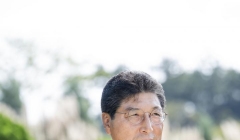
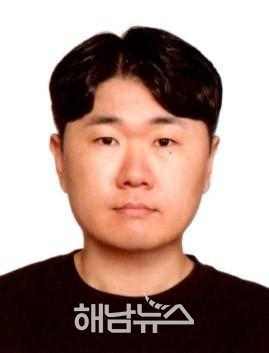 돌핀스 수산 대표 김세웅 / 사진제공=돌핀스 수산 |
박충배 편집/칼럼/논설
〖청년 어업인 인터뷰 특집〗
2022년 말, 광어양식에 첫발을 내디딘 청년 어업인 김세웅(해남 송지면 내장리·돌핀스 수산) 대표는 귀어 청년 가운데서 가장 빠르게 성장곡선을 그리고 있는 사례로 주목받고 있다.
그가 말하는 성장의 핵심은 화려한 성공담이 아니다.
그는 귀어 초기부터 데이터 기반 양식기술, 기후변화 대응, 청년 네트워크, 경영철학이라는 네 가지 뼈대를 중심축으로 삼아 해남의 바다에서 새로운 미래 식량산업의 길을 개척하고 있다.
오늘 우리는 김 대표의 귀어 배경부터 기술·경영 전략, 그리고 해남 수산업이 나아갈 방향까지를 체계적으로 정리해 보았다.
Ⅰ. 귀어의 시작
“도시의 경쟁 속에서, 결국 미래는 바다에 있었다.”
2022년 말, 대학을 졸업하고 도시에서 직장 생활을 이어가던 그는 끝없는 경쟁, 불확실한 미래, 치열한 생존경쟁 속에서 방향을 잃고 있었다.
그러나 그의 마음속 가장 깊은 곳에는 늘 해남 송지면 내장리의 바다가 자리했다.
그는 그곳에서 태어나고 자라며, 파도와 바람 속에서 삶의 리듬을 배웠다.
주변 사람들은 모두 귀어를 만류했다.
“요즘 귀어가 얼마나 힘든데…”
“양식은 돈이 많이 들고, 청년이 버티기 어렵다.”
하지만 그는 흔들리지 않았다.
돌핀스 수산 양식장 / 사진제공=돌핀스 수산 |
도시는 그에게 월급을 주었지만, 고향의 바다는 그에게 ‘미래의 방향’을 주었기 때문이다.
“어릴 때부터 제 삶을 키운 것은 결국 바다였습니다. 도시에서 아무리 노력해도, 제 미래는 바다에 있다고 느꼈습니다.”
그는 그렇게 다시 고향으로 돌아왔다.
Ⅱ. 양식업을 선택한 이유
“아버지의 길 위에서, 저는 새로운 길을 보고 싶었습니다.”
김 대표는 바닷가에서 태어나 아버지가 평생 지켜온 해남의 바다를 보며 자랐다.
기후변화로 생태가 흔들리고, 어획량이 줄고, 어촌의 고령화가 심각해지는 시대에 그는 ‘이 바다를 지키는 일’을 자신의 책임이자 숙명으로 받아들였다.
그러나 그는 단순히 아버지의 길을 “그대로 잇는 것”에 머물지 않았다.
그는 새로운 시대에 맞는 미래형 어업, 특히 데이터 기반 광어양식의 가능성을 보았다.
“양식업은 사양 산업이 아니라, 기후위기 시대에 더욱 중요해지는 미래 산업입니다. 바다가 위기일수록, 새로운 기회를 만들 수 있다고 믿었습니다.”
이 믿음은 그를 ‘돌핀스 수산’이라는 이름으로 이끌었다.
‘바다 생태계를 지키는 사람’이라는 의미를 담은 그의 첫 번째 선언이었다.
Ⅲ. 데이터 기반 양식기술 고도화
“감이 아니라 데이터로 경쟁하는 시대”
귀어 후 그가 가장 먼저 바꾼 것은 양식장의 운영 방식이었다.
광어의 생육 패턴, 수온·산소량 변화, 사료 효율, 질병 징후 등 그동안 ‘경험과 감’에 의존해온 영역을 모두 데이터 기반 체계로 재정비했다.
■ 도입할 핵심 시스템
AI 분석 기반 질병 조기 진단
→ 행동 변화·먹이 반응을 자동 감지하여 초기에 대응, 데이터 기반 의사 결정 체계
→ 사료 투입량·약제 사용·출하 시점 등을 과학적으로 최적화, 손실 최소화·생존율 향상
→ 귀어 초기에 가장 흔한 폐사 문제를 구조적으로 줄임, “데이터가 쌓이면 손실이 줄고, 손실이 줄면 경쟁력이 생깁니다.
결국 데이터를 가진 사람이 바다를 이해하게 됩니다.”
Ⅳ. 기후변화 대응기술 도입 – “기후위기는 위험이 아니라 전략의 시작”
기후변화는 광어양식의 가장 큰 변수다.
고수온, 신규 질병, 산소 저하, 적조 등은 청년 어업인이 감당하기 어려운 리스크다.
김 대표는 귀어 초기부터 이를 핵심 전략 요소로 삼았다.
■ 도입 기술과 전략
- 수온 예측모델 + 수온 조절 시스템 구축
- 면역 강화 사료·천연 미생물 첨가제 적용
- 신규 질병 대응 솔루션 도입
- 친환경·저탄소 사료 전환 및 탄소저감 양식 시스템 구축
- 양식 수산물 저탄소 인증제 도입 준비
■ 기대 효과
- 질병 발생률 감소
- 고수온 피해 최소화
- 생산 안정성 향상
- “건강한 수산물 생산”이라는 소비자 신뢰 확보
<>
Ⅴ. 청년 네트워크 협업체계
“혼자 버티는 시대는 끝났다”
귀어인은 모든 것을 스스로 배우기에는 한계가 있다.
그래서 그는 해남·완도·진도 일대 청년 어업인들과 지속적이고 실질적인 협업 생태계를 구축했다.
■ 협업 네트워크의 특징
성공·실패 사례 공유 → 질병·수질·사료 문제를 빠르게 해결
연구기관·전문가와 연동 → 데이터 분석·기술 검증
가공·직거래·온라인 판매 협업 → 소득 증대
수산 체험·관광화 모델 개발 → 지역경제 활성화 기여
“청년들이 함께 살아남으면 지역의 바다도 살아남습니다.”
Ⅵ. 끝까지 버티는 마음과 경영의식
“어업은 마음과 경영이 함께 있어야 합니다.”
성공하는 귀어 청년과 실패하는 귀어 청년의 차이는 기술이 아니라 경영에 대한 관점에서 갈린다.
김 대표는 양식 경영의 핵심을 네 가지로 정리한다.
1) 냉정한 경영
감정이 아니라 숫자로 결정한다.
사료비, 인건비, 전력비, 출하 단가 등 모든 판단을 데이터 기반으로 수행하는 체계 도입.
2) 안전한 투자
버틸 수 있는 만큼만 투자한다.
초기 과도한 시설 투자를 지양하고 단계적 성장 구조와 비상 예비비 확보를 원칙으로 함.
3) 지속적인 배움
공부하는 양식장만이 생존한다.
신기술·신질병·사료 트렌드·유통구조까지 끊임없이 배우는 자세를 유지.
4) 어업은 미래 식량산업
글로벌 식량위기와 기후변화 시대에 어업은 단순 생계가 아니라 국가의 미래 산업이라는 인식.
“어업을 산업으로 바라보는 순간, 양식의 미래가 보입니다.”
Ⅶ. 맺음말
“청년이 돌아오면 바다가 다시 살아난다.”
작은 수조에서 시작된 2022년의 광어양식은, 이제 데이터·기술·협업·경영혁신이 결합된 미래형 양식 모델로 성장하고 있다.
돌핀스 수산 김세웅 대표의 도전은 “귀어는 어렵다”는 오래된 편견을 넘어 해남 수산업이 나아갈 새로운 좌표를 제시하고 있다.
[Haenam = Haenam News] haenamnews@kakao.com
Park Chung-bae | Editorial / Column / Commentary
Youth Fisherman Interview Special Feature
**“Fisheries are not just a livelihood—
they are the future of global food.”**
Dolphins Fisheries CEO, Kim Se-woong — Growing Through Data, Climate Response, Collaboration, and Management Innovation
At the end of 2022, Kim Se-woong, a young fisherman from Naejang-ri, Songji-myeon in Haenam, took his first bold step into flatfish (olive flounder) aquaculture.
Today, he is regarded as one of the fastest-growing and most promising young returnees to the fishing industry.
His success did not come from luck or dramatic fortune.
From the very beginning, Kim built his foundation on four principles:
data-driven aquaculture, climate-change adaptation, youth collaboration networks, and a clear management philosophy.
This interview highlights his return-to-fishing journey, the technologies and management strategies he employs, and what his work means for the future of Haenam’s marine industry.
Ⅰ. The Beginning of Returning Home
“Amid the endless competition of the city, my future was always in the sea.”
After graduating from university in late 2022, Kim found himself struggling through the relentless pressure and uncertainty of corporate life in the city. Despite his efforts, he often felt lost in the race for survival.
Yet deep in his heart, the sea of Naejang-ri in Songji-myeon, Haenam, where he was born and raised, never left him.
He had learned the rhythm of life from the wind and waves of his hometown.
People tried to stop him:
“Do you know how hard it is to return to fishing these days?”
“Aquaculture requires huge investments. Young people rarely survive long.”
But he remained unwavering.
The city provided him with a salary, but the sea provided him with direction.
“The sea raised me. No matter how hard I worked in the city, I knew my future was in the ocean.”
And with that conviction, he returned home.
Ⅱ. Why Aquaculture?
“On top of my father’s path, I wanted to open a new one.”
Growing up by the coast, Kim watched his father dedicate his life to protecting Haenam’s waters.
Seeing marine ecosystems collapse under climate change, declining fish stocks, and rapidly aging coastal communities, he felt a sense of responsibility—almost a calling.
But he didn’t want to simply repeat his father’s footsteps.
He wanted to build a future-oriented, data-driven aquaculture model that reflected the challenges of a new era.
“Aquaculture is not a declining industry—it is a core food industry in the era of climate crisis.
When the sea is in danger, that’s when new opportunities arise.”
This belief led him to establish “Dolphins Fisheries,” a name symbolizing a commitment to protecting marine ecosystems.
Ⅲ. Advancing Aquaculture Through Data
“This is no longer a business of intuition—data is the real competitive edge.”
The first thing Kim transformed after returning home was the operational system of the fish farm.
Where the industry had long relied on intuition and experience, he introduced a comprehensive digital system that tracks:
Flounder growth patterns
Water temperature and dissolved oxygen
Feed efficiency
Early signs of disease
■ Key Systems Introduced
AI-based early disease detection
→ Tracks behavioral changes and feeding responses in real time
Data-driven decision-making
→ Optimizes feed quantity, medication, tank rotation, and harvest timing
Minimizing mortality and improving survival rates
→ Reduces early losses common among new aquaculture operators
“When data accumulates, losses decrease. When losses decrease, competitiveness grows.
Eventually, the one who holds the data will understand the sea.”
Ⅳ. Climate-Change Adaptation
“Climate crisis is not just a threat—it is the beginning of strategy.”
Climate change is the greatest threat to flounder aquaculture.
High-temperature events, new diseases, oxygen depletion, and red tides can devastate young fishermen who lack resources.
From the earliest stages of his business, Kim made climate adaptation a core principle.
■ Technologies and Strategies Adopted
Temperature prediction models + controlled water-temperature systems
Immune-boosting feed and natural microbial additives
Advanced disease-response solutions
Transition to eco-friendly, low-carbon feed
Preparations for low-carbon aquaculture certification
■ Expected Outcomes
Reduced disease occurrence
Minimized heatwave-related losses
Improved production stability
Strong consumer trust through “healthy and sustainable seafood”
Ⅴ. Youth Collaboration Network
“The era of working alone is over.”
No returning fisherman can learn everything alone.
Kim therefore created an active collaboration network among young aquaculture operators in Haenam, Wando, and Jindo.
■ Features of This Network
Sharing successes and failures → quick solutions for diseases, water quality changes, and feed issues
Collaboration with researchers and experts → scientific validation and data analysis
Joint marketing through processing, direct sales, and online distribution → higher income
Development of aquaculture experience programs → boosting regional tourism and economy
“If young fishermen survive together, the sea of our region survives as well.”
Ⅵ. The Mindset and Management Philosophy
“Fisheries require both heart and management.”
The difference between those who succeed and those who fail is not technology alone—it is their understanding of management.
Kim summarizes his management philosophy into four principles:
1) Cold-headed Management
Make decisions based on numbers, not emotions.
Feed cost, labor, electricity, and market prices must all be analyzed scientifically.
2) Safe Investment
Invest only within the limits of what you can sustain.
Avoid excessive early expansion; secure reserves for crises.
3) Continuous Learning
A farm that keeps learning will survive.
New technologies, diseases, feed trends, and market shifts must always be studied.
4) Fisheries as the Future Food Industry
In the era of global food insecurity and climate crisis, fisheries become a strategic national industry—not a fading livelihood.
“Once you see fisheries as an industry, the future of aquaculture becomes clear.”
Ⅶ. Conclusion
“When young people return, the sea comes back to life.”
What began in a small tank in 2022 has grown into a future-oriented aquaculture model based on data, technology, collaboration, and management innovation.
Kim Se-woong’s challenge goes beyond proving that “returning to fishing is possible.”
It shows a new trajectory for the future of Haenam’s marine industry—
one where young people build resilient, sustainable, and technologically advanced fisheries.
 해남뉴스 박충배 편집 및 논설위원 haenamnews@kakao.com