2026.08.06 (목) 06:18




 AI호남뉴스 박충배 편집.논설 / 사진제공=호남뉴스 |
【전남=AI호남뉴스】 aihnnews@kakao.com
최태원 SK그룹 회장의 일본 반도체 공장 및 AI팩토리 검토 발언이 호남 지역사회에 적지 않은 충격을 주고 있다.
그동안 정부와 기업은 국가균형발전과 지방소멸 대응, 첨단산업 지방 분산을 끊임없이 이야기해 왔다.
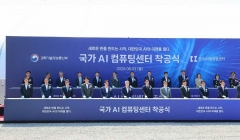
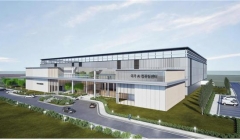
특히 전남 해남 솔라시도는 국가AI컴퓨팅센터와 데이터센터 집적단지, RE100 산업단지, 재생에너지 기반 전력망을 구축하며 대한민국 AI수도와 첨단산업 거점으로 도약하기 위해 막대한 투자와 준비를 진행해 왔다.
그러나 최 회장은 일본 언론 인터뷰를 통해 "일본은 전력과 소재 등 생태계가 모두 갖춰진 훌륭한 후보지"라며 해외 공장 건설 가능성을 공개적으로 언급했다.
호남이 느끼는 감정은 단순한 아쉬움이 아니다.
배신감이다.
국가균형발전을 이야기할 때는 지방의 희생과 협력을 요구하면서 정작 미래 산업의 핵심 투자 결정 앞에서는 해외를 우선 검토하는 모습이기 때문이다.
더욱 심각한 문제는 반도체 산업이 단순한 기업 투자 대상이 아니라는 점이다.
반도체는 오늘날 국가 안보의 핵심 자산이다.
어느 나라에 공장이 위치하느냐에 따라 공급망이 결정되고 기술주권이 좌우되며 국가 경쟁력이 달라진다.
AI 시대에는 더욱 그렇다.
반도체 공장과 AI 데이터센터는 현대판 전략기지다.
전쟁이 총과 탱크로 결정되던 시대는 지나갔다.
이제는 AI와 반도체가 국가의 힘을 결정한다.
미국이 수십조 원을 들여 자국 내 공장을 유치하고 일본이 국가 차원의 지원을 쏟아 붓는 이유도 바로 여기에 있다.
그런데 대한민국 대표 반도체 기업이 일본 AI팩토리와 해외 생산거점을 검토하고 있다는 사실은 국민에게 결코 가볍게 받아들여질 수 없는 문제다.
특히 6월 29일 예정된 이재명 대통령과 주요 그룹 총수 간담회는 중대한 시험대가 될 전망이다.
대통령은 대한민국의 미래 산업과 국가 안보, 지방균형발전을 위해 어떤 선택을 할 것인가.
정부는 단순히 기업의 투자 결정을 지켜보는 방관자가 되어서는 안 된다.
국가 전략산업은 국가 전략으로 대응해야 한다.
솔라시도는 이미 준비돼 있다.
국가AI컴퓨팅센터와 RE100 에너지 기반, 데이터센터 집적단지, 첨단산업 용지까지 갖춘 대한민국 최고의 미래산업 후보지다.
이제 필요한 것은 정치권과 정부의 결단이다.
대한민국의 미래 먹거리를 해외로 내보낼 것인가.
아니면 국가 안보와 산업주권, 지방균형발전이라는 세 가지 목표를 동시에 실현할 것인가.
6월 29일의 선택은 단순한 기업 투자 문제가 아니다.
대한민국의 미래가 걸린 선택이다.
【Editorial】
【Jeonnam = AI Honam News】 aihnnews@kakao.com
Chairman Chey Tae-won’s Japan Card: Honam Feels Betrayed
Semiconductors Are Not Just Corporate Assets — They Are National Security Assets
SK Group Chairman Chey Tae-won’s remarks regarding the possibility of building a semiconductor plant and AI Factory in Japan have sent shockwaves through the Honam region.
For years, both the government and major corporations have emphasized balanced national development, the revitalization of regional economies, and the decentralization of high-tech industries beyond the Seoul metropolitan area.
In particular, Solaseado in Haenam, Jeollanam-do, has been preparing to become Korea’s AI capital and a strategic hub for future industries. Massive investments have been made in the National AI Computing Center, large-scale data center clusters, RE100 industrial complexes, and renewable energy infrastructure.
Yet Chairman Chey recently stated in an interview with a Japanese media outlet that “Japan is an excellent candidate because it possesses a complete ecosystem, including power infrastructure and semiconductor materials.”
For Honam, the feeling is not merely disappointment.
It is a sense of betrayal.
While local regions have been repeatedly asked to support national policies for balanced development and economic decentralization, the possibility of moving one of the nation’s most critical future industries overseas raises serious questions about those commitments.
More importantly, semiconductors are not simply another business investment.
They are now among the most critical assets of national security.
The location of semiconductor production facilities determines supply chain resilience, technological sovereignty, and national competitiveness.
This reality is even more pronounced in the age of artificial intelligence.
Semiconductor fabs and AI data centers have become the strategic bases of the twenty-first century.
The era when military strength was measured solely by tanks and weapons has passed.
Today, AI and semiconductors are among the most important determinants of national power.
This is precisely why the United States is investing tens of billions of dollars to attract semiconductor manufacturing facilities and why Japan is providing unprecedented state-level support to expand its semiconductor industry.
Against this backdrop, the possibility that Korea’s flagship semiconductor company may prioritize an AI Factory and production facilities overseas cannot be regarded as a trivial matter.
The scheduled June 29 meeting between President Lee Jae-myung and the leaders of major business groups will therefore serve as an important test.
What choice will the President make for Korea’s future industries, national security, and balanced regional development?
The government must not remain a passive observer of corporate investment decisions.
Strategic industries require strategic national responses.
Solaseado is already prepared.
With the National AI Computing Center, RE100-based energy infrastructure, extensive data center clusters, and designated high-tech industrial zones, it stands as one of Korea’s most promising locations for future industries.
What is needed now is decisive leadership from both the government and the political establishment.
Will Korea allow one of its most important future growth engines to move abroad?
Or will it pursue a strategy that simultaneously strengthens national security, technological sovereignty, and balanced regional development?
The decision facing Korea on June 29 is not merely about corporate investment.
It is about the future of the Republic of Korea itself.
 해남뉴스 박충배 편집 및 논설위원 news@hbcnews.kr