2026.03.17 (화) 05:18




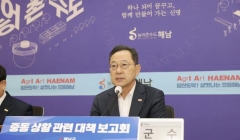
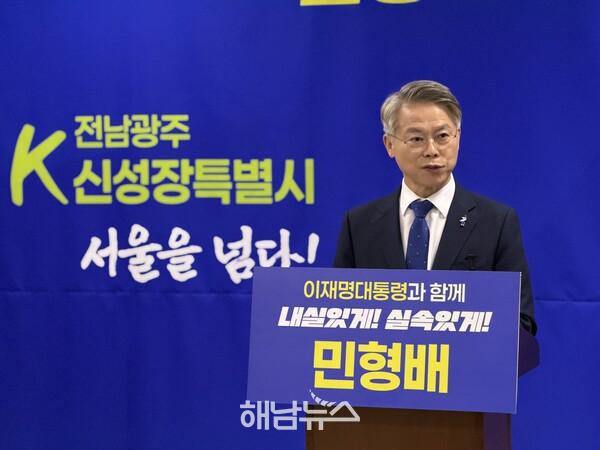 민형배의원 / 사진제공=호남뉴스 |
오늘 저희 더불어민주당, 조국혁신당, 사회민주당, 무소속 의원들은
조희대 대법원장에 대한 탄핵소추안 발의를 선언합니다.
[전남광주=ai호남뉴스] aihnnews@kakao.com
대한민국 헌법은 사법부의 독립을 보장합니다.
그러나 그 독립은 헌법과 법률이 정한 절차와 한계를 지킬 때에만 정당성을 가집니다.
대법원장은 사법부의 수장으로서
재판의 공정성과 정치적 중립을 지켜야 할 최종 책임자입니다.
그러나 지금 조희대 사법부는 빛의 혁명으로 지켜낸 대한민국 민주주의와 헌정질서를 정면으로 흔들고 있습니다. 사법부가 헌법의 최후 보루가 아니라 헌법 위의 권력처럼
행동하고 있다는 우려가 큰 상황입니다.
최근 일련의 판결은 국민적 불신을 증폭시키고 있습니다.
김건희 주가조작과 정치자금법 사건 무죄
김건희 집사 김예성 횡령 사건 공소기각
곽상도 50억 뇌물 사건 무죄, 명태균·김영선 사건 무죄
한덕수, 추경호, 박성재 등 내란 핵심 인물 구속영장 기각
그리고 윤석열 내란 우두머리 혐의 봐주기 선고까지
이러한 일련의 재판은 사법부가 과연 우리 사회 최후의 정의실현 기관으로 자격이 있는가에 대한 근본적인 질문을 낳고 있습니다.
또한 조희대 대법원장이 임명한 법원행정처장은 국회에 출석해
재판소원 도입과 대법관 증원 등 사법개혁 입법을 두고
“국민에게 엄청난 피해가 가는 일”이라며 공개적으로 반대했습니다.
사법부 수뇌부가 국회의 입법권을 정면으로 침해한 발언이었습니다.
사법부가 스스로 삼권분립을 뒤흔든 이상,
국회는 헌법이 부여한 권한에 따라 그 책임을 물어야 합니다.
이에 저희 의원들은
조희대 대법원장의 직무 수행이 헌법과 법률을 중대하게 위반했다고 판단하며
다음과 같은 사유로 탄핵소추안을 발의합니다.
첫째, 대법원 재판 절차의 기본 원칙을 훼손했습니다.
이재명 공직선거법 사건은 2025년 4월 22일 오전, 대법원 제2부에 배당되었습니다. 그러나 불과 두 시간 만에 전원합의체로 회부되었습니다.
수만 쪽에 이르는 기록을 소부 대법관 네 명이 두 시간 만에 검토하고,
전원합의체 회부 여부를 판단했다는 것은 상식적으로 납득하기 어렵습니다.
법원조직법은 대법원 사건을 원칙적으로 소부에서 먼저 심리하도록 규정하고 있습니다. 이는 소부 대법관의 독립된 심판권을 보장하기 위한 장치입니다.
하지만 조희대 대법원장은 사건을 형식적으로 소부에 배당한 뒤
곧바로 전원합의체로 회부했습니다.
이는 소부 심리를 사실상 무력화한 것으로, 대법관의 독립된 심판권을 침해한 명백한 사법행정권 남용입니다.
둘째, 상고심의 권한을 넘어 사실심 판단에 개입했습니다.
대한민국 재판에서 상고심은 법률심입니다.
사실관계 판단은 1심과 2심에서 확정되는 것이 원칙입니다.
형사소송법 역시 일정한 중대 사건을 제외하고는
사실오인을 이유로 상고할 수 없도록 하고 있습니다.
그럼에도 이번 사건에서 전원합의체는 항소심이 무죄로 판단한 발언을
다시 해석해‘구체적 사실 적시’로 판단하며 사실인정을 뒤집었습니다.
대법원이 직접 사실관계를 재평가하고 판단을 뒤집는 것은
상고심의 권한 범위를 벗어난 것으로,
하급심의 독립적인 사실판단 권한을 침해한 것입니다.
셋째, 비정상적으로 빠른 속도와 절차 위반으로 사법 신뢰를 훼손했습니다.
이 사건 상고심은 대법원 접수 후 단 35일 만에 선고됐습니다.
기록은 6만~7만 쪽에 이르는 방대한 분량이었습니다.
전원합의체 사건이 이처럼 짧은 기간 안에 선고된 것은 매우 이례적입니다.
전원합의체 판결문에도 전례 없는 ‘속도전’에 대한 대법관들의 문제 제기가 있었습니다.
형사재판은 기록에 대한 충분한 검토를 전제로 하는 서면주의 원칙이 적용됩니다.
대법원은 2016년 판례에서 검사가 공소장 일부를 전자파일로 제출한 사건에 대해 이를 위헌·위법·무효로 판단하며 공소 자체를 기각했습니다.
종이 기록에 의한 심리가 피고인의 방어권과 헌법상 재판받을 권리를 보장하는 기본 원칙이라고 명확히 판시한 것입니다.
그런데도 이번 사건에서 6만~7만 쪽에 이르는 기록을 단기간에 검토하고 평의를 진행했다는 것은 물리적으로도, 절차적으로도 납득하기 어렵습니다.
실질적인 기록 검토 없이 재판이 진행되었다면 이는 형사소송 절차의 근간을 흔드는 중대한 위법입니다
조희대 대법원장은 유력 대선 후보의 피선거권이 걸린 사건을
대선 정국 한복판에서 전례 없는 속도와 절차를 위반하면서까지 밀어붙였습니다.
이 비정상적인 속도와 일정은 우연이 아니라
대법원장이 직접 주도한 의도적 정치개입,
이재명 후보의 자격을 박탈하려는 노골적인 선거 관여라는 의심을 가지게 합니다.
넷째, 비공식 ‘별동대’를 동원한 사전 심리 의혹입니다.
조희대 대법원장은 사건이 공식 배당되기 전 특정 재판연구관 조직, 이른바 ‘별동대’에 기록 검토와 보고서를 준비하게 했다는 의혹을 받고 있습니다.
국정감사에서 법원행정처장은 “3월 말부터 모든 대법관이 전원합의체 심리를 전제로 기록을 봤다”고 답변했습니다. 주심 대법관이 정해지기도 전에 비공식 조직이 먼저 사건을 검토했다는 것입니다.
사건이 적법하게 배당되기 전에는 누구도 그 사건을 심리할 권한이 없습니다.
권한 없는 이들에게 기록 검토를 시킨 것은 직권남용입니다.
피고인의 공정한 재판을 받을 권리를 침해한 중대한 절차 위반입니다.
다섯째, 내란 사태 앞에서 헌법 수호 의무를 저버렸습니다.
지난해 12월 3일, 윤석열의 비상계엄 선포라는 헌정 파괴 시도가 있었습니다.
그 순간 대법원장은 헌법 수호의 최후 보루로서 헌법을 지키기 위해 가장 먼저 분명한 역할을 해야 했습니다.
그러나 조희대 대법원장은 침묵했고, 이후 내란 관련 사건에서 잇따른 영장 기각과 봐주기 판결이 이어지면서 결과적으로 내란 세력을 비호했다는 비판을 받고 있습니다.
반헌법적이며 위법한 내란을 단죄하지 못하는 대법원장은 자격이 없습니다.
여섯째, 정치적 중립 의무를 스스로 훼손했습니다.
조희대 대법원장은 재판소원 도입과 대법관 증원 등 사법개혁 법안에 대해
법원행정처장을 통해 공개적으로 반대 입장을 밝혔습니다.
또한 이재명 사건을 둘러싸고 정치권과 교감했다는 의혹까지 제기되고 있습니다.
조 대법원장은 이를 부인했지만 의혹은 여전히 해소되지 못했습니다.
사법부 수장이 정치적 논쟁의 중심에 서는 순간 사법부의 중립성과 신뢰는 심각하게 훼손됩니다.
존경하는 국민 여러분 지금 대한민국 사법부는 전례 없는 재판 속도와 절차 위반,
권한 범위 일탈과 정치적 중립 훼손 의혹으로 그 신뢰가 심각하게 흔들리고 있습니다.
헌법 제65조는 “법관이 그 직무 집행에 있어 헌법이나 법률을 위반한 때에는
국회가 탄핵을 소추할 수 있다”라고 규정하고 있습니다.
헌법 질서를 위반한 어떠한 권력도 책임에서 예외일 수 없습니다.
대통령도, 장관도 예외가 아니었듯, 대법원장 역시 예외일 수 없습니다.
지금 조희대 대법원장 탄핵에 나서지 않는다면,
그것이야말로 입법부의 직무유기입니다.
저희 의원들은 입법부를 대표해
조희대 대법원장에 대한 탄핵소추안을 발의하고
헌법 질서를 지키기 위한 국회의 책임을 다하겠습니다.
헌법 위에 군림하는 대법원장을 여기서 멈춰 세우겠습니다.
탄핵소추안 발의에는 99명 의원의 동참이 필요합니다.
오늘부터 여야 의원들을 한 분 한 분 설득해
탄핵소추안을 발의하고 반드시 본회의에서 가결시키겠습니다.
무너진 사법 정의를 바로 세우고,
헌정 질서를 회복할 때까지 끝까지 책임을 다하겠습니다.
국민 여러분, 함께해 주십시오.
감사합니다.
2026년 3월 12일
국회의원 강경숙, 권향엽, 김병주, 김준형, 민형배, 문금주
박은정, 서영석, 장종태, 조계원, 최혁진, 한창민
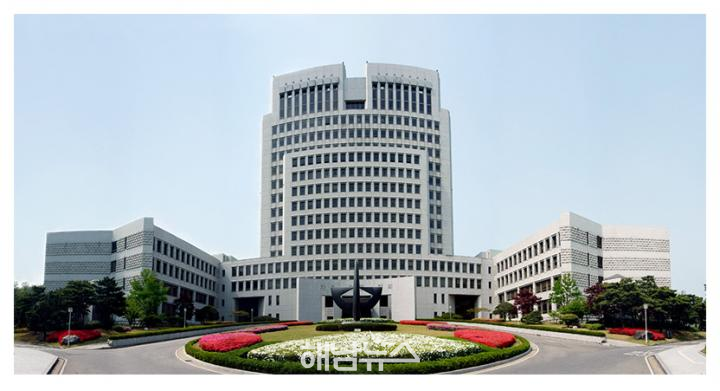 서울중앙법원 / 사진제공=호남뉴스 |
Declaration of Impeachment Motion Against Chief Justice Cho Hee-dae
Respected citizens and members of the press,
Today, lawmakers from the Democratic Party of Korea, the Rebuilding Korea Party, the Social Democratic Party, and independent members of the National Assembly declare the initiation of an impeachment motion against Chief Justice Cho Hee-dae.
[Jeonnam-Gwangju = AI Honam News] aihnnews@kakao.com
The Constitution of the Republic of Korea guarantees the independence of the judiciary.
However, such independence is legitimate only when it operates within the procedures and limits established by the Constitution and the law.
As the head of the judiciary, the Chief Justice bears the ultimate responsibility for safeguarding the fairness of trials and maintaining political neutrality within the judicial system.
Yet the judiciary under Chief Justice Cho Hee-dae is now shaking the democratic order and constitutional system of the Republic of Korea that citizens defended through the “Revolution of Light.”
There is growing concern that the judiciary is behaving not as the final guardian of the Constitution, but as a power standing above it.
A series of recent court rulings has greatly intensified public distrust.
These include:
the acquittal in the Kim Keon-hee stock manipulation and political funding case,
the dismissal of charges in the embezzlement case involving Kim Ye-seong, known as Kim Keon-hee’s aide,
the acquittal of Kwak Sang-do in the 5 billion-won bribery case,
acquittals in the Myung Tae-kyun and Kim Young-sun cases,
the rejection of arrest warrants for key figures in the alleged insurrection such as Han Duck-soo, Choo Kyung-ho, and Park Sung-jae,
and what many view as a lenient ruling regarding Yoon Suk Yeol’s alleged role as the leader of an insurrection.
These rulings have raised a fundamental question among the public:
whether the judiciary still qualifies to serve as the final institution for the realization of justice in our society.
Furthermore, the Minister of the National Court Administration appointed by Chief Justice Cho appeared before the National Assembly and publicly opposed judicial reform legislation, including the introduction of constitutional complaint appeals and an increase in the number of Supreme Court justices.
He stated that such reforms would cause “tremendous harm to the people.”
Such remarks constitute a direct infringement on the legislative authority of the National Assembly.
Since the judiciary itself has shaken the principle of separation of powers,
the National Assembly must hold it accountable under the authority granted by the Constitution.
Therefore, we conclude that Chief Justice Cho Hee-dae has committed serious violations of the Constitution and the law in the execution of his duties, and we hereby propose an impeachment motion based on the following grounds.
First, he undermined the fundamental principles of Supreme Court trial procedures.
The Supreme Court appeal in Lee Jae-myung’s election law case was assigned to the Second Petty Bench of the Supreme Court at 10 a.m. on April 22, 2025.
However, the case was referred to the Full Bench of the Supreme Court just two hours later.
It is difficult to accept that four justices of the petty bench could have reviewed tens of thousands of pages of records within such a short time and decided whether to refer the case to the Full Bench.
The Court Organization Act stipulates that Supreme Court cases should, in principle, first be reviewed by a petty bench.
This rule exists to guarantee the independent adjudicatory authority of each justice.
However, Chief Justice Cho assigned the case to a petty bench only formally and immediately referred it to the Full Bench.
This effectively nullified the petty bench’s review process and constitutes a clear abuse of judicial administrative authority that infringed upon the independent adjudicatory authority of Supreme Court justices.
Second, he exceeded the authority of the appellate court by intervening in factual determinations.
In Korea’s judicial system, the Supreme Court functions primarily as a court of law, not a court of fact.
Determinations of factual circumstances are generally finalized in the first and second trials.
Under the Criminal Procedure Act, appeals to the Supreme Court based on factual error are not permitted except in certain serious cases.
Nevertheless, in this case, the Full Bench reinterpreted statements that the appellate court had judged to be not guilty, redefining them as “specific factual assertions,” thereby overturning the factual determination of the lower court.
Such actions represent the Supreme Court’s direct reassessment of facts and exceed the authority of an appellate court.
They infringe upon the independent fact-finding authority of lower courts.
Third, abnormal speed and procedural irregularities damaged judicial credibility.
The Supreme Court issued its ruling only 35 days after the appeal was filed, despite the record consisting of 60,000 to 70,000 pages.
It is extremely unusual for a Full Bench case to be decided within such a short period.
Even within the ruling itself, some justices raised concerns about the unprecedented speed.
Criminal trials are governed by the principle of written review of records, which requires thorough examination of case documents.
In a 2016 precedent, the Supreme Court ruled that when prosecutors submitted part of an indictment as an electronic file rather than in paper form, the indictment was unconstitutional, unlawful, and invalid.
The Court explicitly stated that paper-based record review is essential for guaranteeing the defendant’s right to defense and the constitutional right to a fair trial.
Yet in this case, tens of thousands of pages of records were supposedly reviewed within a very short time frame.
This is difficult to accept both physically and procedurally.
If the trial proceeded without a genuine review of the records, it would constitute a serious violation that undermines the foundation of criminal procedure.
Chief Justice Cho pushed forward a case involving the eligibility of a major presidential candidate during the middle of an election period, doing so with unprecedented speed and procedural irregularities.
Such abnormal timing raises serious suspicion that the Chief Justice deliberately intervened in politics in order to strip candidate Lee Jae-myung of his eligibility.
Fourth, suspicions of preliminary review by an unofficial “task force.”
It has been alleged that before the case was formally assigned, Chief Justice Cho mobilized a specific group of judicial researchers—an unofficial “task force”—to review the records and prepare reports in advance.
During a National Assembly audit, the Minister of the National Court Administration testified that “all justices began reviewing the case in late March on the assumption that it would be heard by the Full Bench.”
This suggests that the case was reviewed by unofficial personnel even before a presiding justice was designated.
Before a case is properly assigned, no one has the authority to review it.
Ordering unauthorized individuals to examine the records constitutes an abuse of authority and a serious procedural violation that infringes upon the defendant’s right to a fair trial.
Fifth, failure to uphold constitutional duties during the alleged insurrection crisis.
On December 3 last year, an attempt to destroy the constitutional order occurred through Yoon Suk Yeol’s declaration of martial law.
At that moment, the Chief Justice should have played a clear role as the final guardian of the Constitution.
Instead, Chief Justice Cho remained silent.
Subsequently, a series of arrest warrant rejections and lenient rulings related to the alleged insurrection led to criticism that the judiciary was effectively protecting those involved.
A Chief Justice who fails to punish unconstitutional and illegal insurrection cannot be considered qualified for the position.
Sixth, violation of the duty of political neutrality.
Chief Justice Cho publicly opposed judicial reform legislation—such as the introduction of constitutional complaint appeals and the expansion of Supreme Court justices—through the Minister of the National Court Administration.
Additionally, allegations have emerged that he communicated with political actors regarding the Lee Jae-myung case.
Although the Chief Justice has denied these claims, the suspicions remain unresolved.
When the head of the judiciary stands at the center of political controversy, the neutrality and credibility of the entire judicial branch are severely damaged.
Respected citizens,
The judiciary of the Republic of Korea now faces unprecedented criticism due to procedural violations, excessive speed in judicial decisions, abuse of authority, and suspicions of political intervention.
Article 65 of the Constitution states:
“If a judge has violated the Constitution or other laws in the performance of official duties, the National Assembly may pass motions for impeachment.”
No authority that violates constitutional order can be exempt from responsibility.
Just as the President and ministers were not exempt from accountability, the Chief Justice of the Supreme Court cannot be an exception.
If the National Assembly fails to pursue impeachment against Chief Justice Cho Hee-dae now, that itself would constitute a dereliction of duty by the legislative branch.
Therefore, we, the undersigned lawmakers, on behalf of the National Assembly, will initiate an impeachment motion against Chief Justice Cho Hee-dae and fulfill our responsibility to protect constitutional order.
We will stop a Chief Justice who seeks to stand above the Constitution.
At least 99 lawmakers must support the motion to formally introduce it.
Starting today, we will persuade lawmakers from both ruling and opposition parties one by one, submit the motion, and ensure that it passes in the plenary session.
We will carry out our responsibility to the very end until judicial justice is restored and constitutional order is recovered.
Citizens of the Republic of Korea, please stand with us.
Thank you.
March 12, 2026
National Assembly Members
Kang Kyung-sook, Kwon Hyang-yeop, Kim Byung-joo, Kim Jun-hyung,
Min Hyung-bae, Moon Geum-ju, Park Eun-jung, Seo Young-seok,
Jang Jong-tae, Cho Gye-won, Choi Hyuk-jin, Han Chang-min
 해남뉴스 박충배 편집 및 논설위원 haenamnews@kakao.com