2026.06.04 (목) 03:35




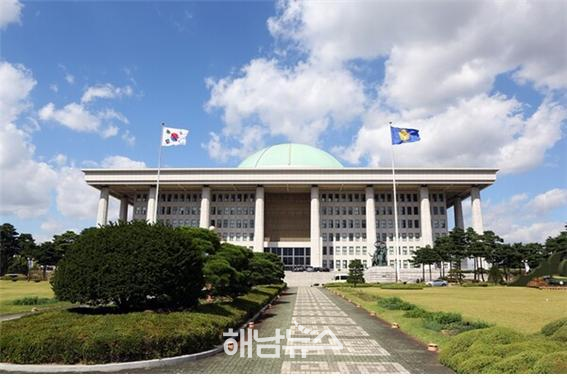 국회의사당 전경 / 사진제공=호남뉴스 |
【전남·광주=AI호남뉴스】 aihnnews@kakao.com
2025년 4월 4일 오전 11시 22분.
그날의 시간은 단순한 시각이 아니라, 대한민국 민주주의가 스스로를 지켜낸 마지막 순간으로 기록됐다.
헌법재판소의 결정으로 대통령이 파면된 그 장면은 권력이 어디까지 갈 수 있고, 또 어디에서 멈춰야 하는지를 분명히 보여준 역사적 선언이었다.
그것은 한 개인의 몰락이 아니라, 헌정 질서가 스스로를 회복한 사건이었다.
그러나 1년이 흐른 지금, 우리는 냉정하게 되돌아봐야 한다.
그날 이후, 이 나라는 정말로 달라졌는가.
당시 사건의 본질은 명확했다.
그것은 단순한 위법이나 권력 남용이 아니라, 국가의 근간을 흔든 ‘내란’이었다.
이 내란은 결코 한 사람의 선택으로 완성될 수 없는 구조적 사건이었다.
명령하는 권력이 있었고, 이를 실행하는 조직이 있었으며, 묵인하고 방조하는 시스템이 함께 작동했다.
그렇기에 책임 또한 분명했어야 했다.
우두머리만이 아니라, 종사자와 협조자, 방조자까지—그 모든 연결 고리가 단절되어야 했다.
그러나 지금 우리가 마주한 현실은 그 기대와 정반대의 방향으로 흘러가고 있다.
수사는 길어졌고, 재판은 지연됐으며, 책임은 흐릿해졌다.
정의는 선언되었지만, 체감되지 않는다.
국민들은 묻고 있다.
왜 아무도 제대로 책임지지 않는가.
일부 관련자들은 여전히 제도 안에 남아 있다.
어떤 이는 침묵으로 버티고, 어떤 이는 시간 속에 책임을 묻어버린 채 ‘정상’을 가장한다.
이것이야말로 가장 위험한 징후다.
청산되지 않은 권력은 사라지지 않는다.
그것은 더 정교해진 형태로 다시 돌아온다.
우리는 이미 그 실패를 경험한 나라다.
일제강점기 이후, 우리는 제대로 된 청산을 하지 못했다.
그 결과는 분명했다.
권력은 교체되었지만 구조는 유지됐고, 정의는 외쳐졌지만 실현되지 않았으며, 불신은 세대를 넘어 축적됐다.
지금 우리가 서 있는 이 자리 역시 그 연장선 위에 있다.
만약 이번에도 내란의 주모자뿐 아니라 방조자와 협조자들까지 제대로 단죄하지 못한다면, 우리는 또 한 번 같은 과오를 반복하게 될 것이다.
그리고 그 대가는 다시 국민이 감당하게 될 것이다.
개혁은 이미 충분히 이야기되었다.
검찰 권한 분산, 사법 시스템 개편, 권력기관 재구조화, 이 모든 의제는 더 이상 낯설지 않다.
문제는 실행이다.
개혁이 늦어지는 순간, 정의는 약해지고
정의가 약해지는 순간, 권력은 다시 오만해진다.
지금 국민이 요구하는 것은 거창한 구호가 아니다.
단 하나다.
책임을 묻는 나라.
권력이 법 위에 서지 못하는 나라.
그 원칙이 무너지는 순간, 민주주의는 이름만 남는다.
탄핵은 끝이 아니었다.
그날은 시작이었다.
책임을 끝까지 묻겠다는 사회적 약속이었고, 권력 앞에서도 무너지지 않겠다는 집단적 선언이었다.
그 약속이 지금 지켜지고 있는가.
2026년 4월 4일.
탄핵 1주년을 맞은 오늘, 우리는 다시 질문해야 한다.
정의는 제대로 작동하고 있는가.
그리고 그 정의는 과연, 국민을 향하고 있는가.
내란은 끝나지 않았다.
그것은 여전히 제도 속에 남아 있고, 책임지지 않은 권력의 그림자 속에서 숨 쉬고 있다.
지금 멈춘다면, 우리는 또다시 역사를 반복하게 된다.
청산은 선택이 아니다.
그것은 이 나라가 민주주의 국가로 남기 위한 마지막 조건이다.
【Ultra-Strong Editorial | Narrative】
【Jeonnam·Gwangju = AI Honam News】 aihnnews@kakao.com
“An Unfinished Insurrection, A Stalled Justice”… The Warning of April 4 Still Lives On
Subheadline: One Year After Impeachment, We Stand Again at a Crossroads of History Before Power Without Accountability
April 4, 2025, 11:22 a.m.
That moment is not merely a point in time, but one etched into history as the instant when South Korea’s democracy defended itself.
The Constitutional Court’s decision to remove the president from office was not simply the fall of a leader. It was a historic declaration that revealed both how far power can go—and where it must ultimately stop. It marked not the collapse of an individual, but the restoration of constitutional order itself.
Yet, one year later, we are compelled to ask with sober clarity:
Has this country truly changed since that day?
The essence of the event was unmistakable.
It was not merely an act of illegality or abuse of power—it was an insurrection that shook the very foundation of the state.
Such an insurrection could never have been the product of one individual alone.
There was commanding power, an apparatus that executed it, and a system that tolerated and enabled it.
Therefore, accountability should have been equally comprehensive.
Not only the ringleader, but also participants, collaborators, and enablers—every link in that chain should have been severed.
Yet the reality we face today moves in the opposite direction of that expectation.
Investigations have dragged on. Trials have been delayed. Responsibility has blurred.
Justice has been declared—but it has not been felt.
The people are asking:
Why has no one been properly held accountable?
Some of those involved remain within the system.
Some endure through silence; others bury responsibility in time, disguising themselves under the illusion of “normalcy.”
This is the most dangerous signal of all.
Unpurged power does not disappear.
It returns—more refined, more concealed, and more dangerous.
We are a nation that has already experienced this failure.
After the period of Japanese colonial rule, we failed to carry out proper reckoning.
The consequences were clear.
Power was replaced, but structures remained intact.
Justice was proclaimed, but never realized.
Distrust accumulated across generations.
Where we stand today is an extension of that unresolved past.
If, once again, we fail to hold not only the instigators of this insurrection but also its enablers and collaborators fully accountable, we will be repeating the same historical mistake.
And once again, it will be the people who bear the cost.
Reform has been discussed extensively.
The decentralization of prosecutorial power, judicial reform, restructuring of power institutions—these are no longer unfamiliar agendas.
The problem is execution.
The moment reform is delayed, justice weakens.
And when justice weakens, power grows arrogant once more.
What the people demand now is not grand rhetoric.
It is simple—
A nation that holds power accountable.
A nation where no authority stands above the law.
The moment this principle collapses, democracy becomes nothing more than a name.
Impeachment was not the end.
It was the beginning.
It was a collective promise—to pursue accountability to the very end.
A declaration that we would not yield before power.
Is that promise being kept today?
April 4, 2026.
On the first anniversary of impeachment, we must ask again:
Is justice truly functioning?
And whom does that justice serve?
The insurrection has not ended.
It remains embedded within our institutions,
breathing in the shadows of unaccountable power.
If we stop now,
we will repeat history once again.
Reckoning is not a choice.
It is the final condition for this nation to remain a democracy.
 해남뉴스 박충배 편집 및 논설위원 haenamnews@kakao.com