| 진도~제주 애월 바닷길 열린다…756명·차량 270대 수송 2시간 40분 예정…관광·농수축산물 물류 동시에 잡는 ‘서남해 해상경제권’ 구상 해남뉴스 박충배 편집/논설 news@hbcnews.kr |
| 2026년 08월 27일(목) 09:20 |
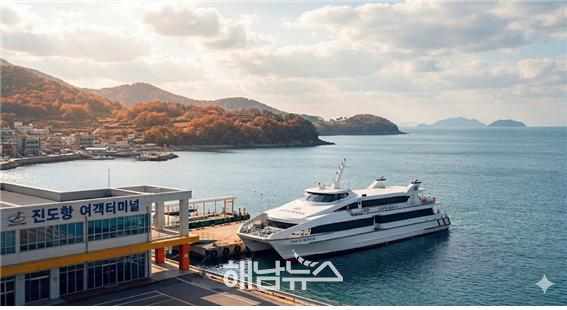 진도~제주 산타모니카호 / 사진제공=진도군 |
전남 진도와 제주 애월을 잇는 새로운 카페리 항로 개설이 구체화되면서 진도와 제주를 연결하는 새로운 해상 관광·물류망 구축에 관심이 쏠리고 있다.
특히 이번 항로는 단순히 제주 관광객을 실어 나르는 여객선 노선이 아니라 승객과 차량, 농수축산물까지 동시에 운송하는 복합형 해상교통망으로 활용할 수 있다는 점에서 지역경제에 미칠 파급효과가 주목된다.
제주도에 따르면 씨월드고속훼리는 진도~제주 애월 항로 개설을 추진하고 있으며, 2028년 취항을 목표로 관련 절차를 진행하고 있다. 제주도는 애월항 여객터미널 신축과 선석 확충을 추진하고 있으며, 전남도와 진도군 역시 진도항의 대형 여객선 입항을 위한 기반시설 정비에 나서고 있다.
■ 퀸메리호 투입…최대 승객 756명·차량 270대
신규 항로에 투입될 예정인 퀸메리호는 국내 건조 카페리로 길이 143m, 폭 22m, 깊이 13.8m, 국제톤수 1만4,919t 규모다.
최대 여객 756명과 승용차 기준 약 270대를 동시에 수송할 수 있으며, 최고 속력은 21.5노트로 알려졌다.
여기서 중요한 점은 이 선박의 ‘선적 능력’을 단순한 화물선 기준으로만 볼 것이 아니라는 것이다.
카페리는 사람과 차량을 함께 수송하기 때문에 승용차·관광버스·화물차 등의 이동이 가능하고, 결과적으로 관광객 이동과 차량 물류를 한 번에 처리할 수 있는 복합 운송수단이라는 장점이 있다.
특히 제주 관광객이 자신의 차량을 싣고 진도로 이동할 수 있어 진도 관광과 전남권 연계관광을 활성화하는 데 유리하다.
■ 진도~애월 2시간 40분…예정 운항시간표도 공개
씨월드고속훼리가 공개한 예정 운항계획에 따르면 진도항에서 애월항까지의 항해시간은 약 2시간 40분이다.
예정 시간표는 진도 출발 오전 2시20분→애월 오전 5시, 진도 출발 오전 11시30분→애월 오후 2시10분으로 제시돼 있다.
애월에서 진도로 돌아오는 항로는 오전 7시→오전 9시40분, 오후 4시30분→오후 7시10분으로 예정돼 있다. 다만 선사 측은 해당 시간표가 예정 운항 기준이며 실제 취항 시 변경될 수 있다고 밝히고 있다.
현재 진도~애월 항로가 계획대로 운영될 경우 제주와 전남 서남권을 오가는 시간적 접근성이 크게 개선될 수 있다는 분석이다.
특히 기존 제주항 중심의 해상교통망과 별도로 제주 서부권에서 직접 전남권으로 연결되는 새로운 선택지가 만들어진다는 점에서 의미가 있다.
■ 제주에는 ‘제주항 물류 분산’ 효과
제주 측이 기대하는 가장 큰 효과는 제주항에 집중된 여객·물류 기능을 분산하는 것이다.
현재 제주항은 여객선과 화물선 운항이 집중돼 있어 항만 이용 효율을 높이는 데 한계가 있다는 지적이 제기돼 왔다.
애월항에 카페리 항로가 개설되면 애월·한림·한경·대정 등 제주 서부지역에서 생산되는 감귤과 농산물, 돼지고기, 양식광어 등 농수축산물을 제주항까지 다시 운송하지 않고 육지로 직접 연결할 수 있는 물류체계 구축이 가능해진다.
이는 운송거리와 환적단계를 줄여 물류시간과 비용을 낮추는 효과로 이어질 가능성이 있다.
■ 진도는 ‘제주 관광객 유입’과 ‘농수산물 물류’가 핵심
진도 입장에서는 이번 항로를 제주 관광객 유입의 새로운 통로로 활용할 필요가 있다.
단순히 진도항에 제주행 여객선이 들어오는 것만으로 지역경제 효과가 발생하는 것은 아니다.
진도군이 항로 개설과 동시에
진도항→진도읍→운림산방→세방낙조→울돌목
등을 연결하는 관광코스를 개발하고 숙박·음식점·관광지·특산품 판매를 연계해야 실제 지역경제 효과를 만들어낼 수 있다.
특히 제주 관광객을 대상으로 한 ‘제주~진도 1박2일’ 또는 ‘제주~진도~해남~목포 연계 관광상품’을 개발할 경우 단순 경유지가 아닌 체류형 관광지로 전환할 가능성이 있다.
■ ‘사람’뿐 아니라 ‘화물’이 오가야 항로가 산다
전문가들이 주목해야 할 부분은 관광객 숫자만으로 항로의 경제성을 판단해서는 안 된다는 점이다.
대형 카페리의 장점은 승객과 차량을 동시에 수송할 수 있다는 것이다.
따라서 진도~애월 항로는
제주 농수축산물 → 애월항 → 진도항 → 전남·광주·수도권
과전남 농수산물·가공품 → 진도항 → 애월항 → 제주
라는 양방향 물류체계를 구축하는 것이 중요하다.
제주산 감귤·광어·축산물과 전남산 쌀·김·수산가공품·농산물 등을 안정적으로 수송한다면 관광 비수기에도 항로의 물류 수요를 확보할 수 있다.
결국 성공적인 항로는 ‘배를 띄우는 것’이 아니라 ‘배가 양방향으로 사람과 물류를 싣고 다니게 만드는 것’에 달려 있다는 분석이다.
■ 진도항 수심 확보·애월항 선석 확충이 관건
항로 개설의 가장 현실적인 과제는 항만 인프라 확충이다.
현재 진도항 수심은 약 6.5m 수준으로 알려졌으며, 대형 여객선 입항을 위해 약 6.67m 수준까지 수심을 확보하기 위한 준설공사가 추진되고 있다.
제주도 역시 애월항의 선석 길이를 기존 150m에서 175m로 확대하고 국비 70억 원을 투입해 여객터미널을 신축하는 계획을 추진하고 있다.
따라서 진도와 제주 모두 항로 개설에 맞춰 단순한 접안시설뿐 아니라 주차장, 관광버스 승하차장, 화물처리시설, 물류창고, 교통체계 등을 함께 정비해야 한다.
■ 진도항 배후에 ‘해상물류 플랫폼’ 구축해야
진도군이 이번 항로를 지역경제의 전환점으로 만들기 위해서는 진도항 배후지역에 단계적으로 농수산물 집하장과 저온저장시설, 공동물류센터, 화물 환적시설 등을 구축할 필요가 있다.
이렇게 되면 진도항은 단순히 승객이 배를 타고 내리는 항구를 넘어 제주와 전남을 연결하는 서남해권 해상물류 플랫폼으로 발전할 수 있다.
특히 진도에서 생산되는 농수산물을 공동 집하해 제주로 보내고, 제주에서 생산된 농수축산물을 진도항을 통해 전남 내륙으로 공급하는 체계가 갖춰진다면 지역 생산자들에게도 새로운 판로가 될 수 있다.
■ 진도~제주 항로, ‘양 지역 상생협의체’ 필요
항로의 실효성을 높이기 위해서는 진도군과 제주도, 제주시, 애월읍, 선사, 항만 관계기관, 농협·수협, 관광업계와 물류업계가 참여하는 가칭 ‘진도~애월 해상관광·물류 상생협의체’를 구성하는 방안도 검토할 필요가 있다.
협의체에서는 매월
▲승객 수
▲차량 수송량
▲화물 수송량
▲진도 체류 관광객 수
▲제주 체류 관광객 수
▲농수산물 물류량
▲지역상품 판매액
▲교통량
▲주민 민원
▲항로 재이용률
등을 분석해 항로의 실제 경제효과를 관리할 필요가 있다.
특히 제주 관광객이 진도에서 숙박하고 소비하는 규모와 진도 주민이 제주에서 소비하는 규모를 함께 분석해야 ‘양방향 지역경제 효과’를 정확히 평가할 수 있다.
■ ‘진도~제주 바닷길’ 넘어 서남해 관광·물류경제권으로
진도~애월 항로의 가장 큰 가능성은 제주와 진도를 하나의 관광권으로 묶는 데 있다.
진도에서는 제주 관광객을 유치하고, 제주에서는 전남 관광객을 유치하는 양방향 관광교류가 가능하다.
여기에 제주산 농수축산물과 전남산 농수산물이 오가는 물류망까지 구축된다면 항로는 단순한 여객 운송사업을 넘어 관광·물류·지역상권을 연결하는 해상경제권으로 발전할 수 있다.
다만 항로가 개설됐다는 사실만으로 경제성이 보장되는 것은 아니다.
선박의 최대 수송능력인 승객 756명과 차량 약 270대를 실제 얼마나 채울 수 있는지, 비수기에도 화물 수요를 얼마나 확보할 수 있는지, 항만시설과 배후교통망이 이를 감당할 수 있는지에 대한 정밀한 사업성 분석이 선행돼야 한다.
결국 진도~애월 항로의 성공 여부는 ‘몇 명을 실어 나르느냐’가 아니라 ‘진도와 제주에서 얼마나 머물고, 얼마나 소비하며, 얼마나 많은 지역 상품이 오가느냐’에 달려 있다.
진도군과 제주도가 단순한 항로 개설을 넘어 관광상품 공동개발, 농수산물 직송체계, 특산품 공동판매, 물류센터 구축, 지역상권 연계사업까지 패키지로 추진한다면 진도~애월 바닷길은 전남과 제주를 잇는 새로운 해상경제축으로 자리 잡을 가능성이 충분하다.
“배를 띄우는 것이 시작이라면, 사람과 물류를 양방향으로 채우는 것이 성공의 조건이다.”
진도~제주 애월 항로가 단순한 교통수단을 넘어 진도와 제주가 함께 성장하는 상생의 바닷길로 자리 잡을 수 있을지 주목된다.
New Jindo–Jeju Aewol Sea Route Set to Open… Capacity for 756 Passengers and 270 Vehicles
Estimated 2 hours 40 minutes… Vision for a “Southwestern Maritime Economic Zone” Linking Tourism and Agricultural, Fisheries and Livestock Logistics
Jindo Port Dredging and Aewol Port Berth Expansion Underway… “The Route Must Go Beyond Passenger Transport to Create a Win-Win Model for Both Regions”
[Jindo, South Jeolla Province = AI Honam News] aihnnews@kakao.com
Plans to establish a new car-ferry route connecting Jindo in South Jeolla Province with Aewol in Jeju are taking shape, raising expectations for a new maritime tourism and logistics network linking Jindo and Jeju.
The new route is drawing particular attention because it could serve not simply as a passenger ferry service for tourists traveling to Jeju, but as a multifunctional maritime transportation network capable of simultaneously carrying passengers, vehicles, and agricultural, fisheries and livestock products, potentially generating significant regional economic benefits.
According to Jeju Province, Sea World Express Ferry is pursuing the establishment of a Jindo–Jeju Aewol route, with operations targeted for 2028. Jeju Province is promoting the construction of a new passenger terminal and expansion of berthing facilities at Aewol Port, while South Jeolla Province and Jindo County are also working to improve infrastructure to accommodate large passenger ferries at Jindo Port.
■ Queen Mary to Be Deployed… Capacity for Up to 756 Passengers and 270 Vehicles
The Queen Mary, the car ferry expected to be deployed on the new route, is a domestically built vessel measuring 143 meters in length, 22 meters in width and 13.8 meters in depth, with an international gross tonnage of 14,919 tons.
The vessel can carry up to 756 passengers and approximately 270 passenger vehicles simultaneously, with a maximum speed of 21.5 knots.
The key point is that the vessel’s carrying capacity should not be viewed solely in terms of conventional cargo transportation.
As a car ferry, it can transport passengers and vehicles at the same time, including passenger cars, tour buses and freight vehicles. This gives it the advantage of functioning as a multifunctional transportation platform capable of handling both tourism demand and vehicle-based logistics.
In particular, allowing Jeju tourists to bring their own vehicles to Jindo could help promote tourism in Jindo and facilitate connections with other destinations throughout the southwestern region of Jeollanam-do.
■ Jindo–Aewol in 2 Hours and 40 Minutes… Tentative Sailing Schedule Released
According to the tentative operating plan released by Sea World Express Ferry, the sailing time from Jindo Port to Aewol Port is approximately 2 hours and 40 minutes.
The tentative schedule lists departures from Jindo at 2:20 a.m., arriving in Aewol at 5:00 a.m., and another departure at 11:30 a.m., arriving at 2:10 p.m.
The return service from Aewol to Jindo is tentatively scheduled to depart at 7:00 a.m. and 4:30 p.m., arriving in Jindo at 9:40 a.m. and 7:10 p.m., respectively. However, the ferry operator notes that these schedules are tentative and may be changed when actual services begin.
If the Jindo–Aewol route operates as planned, it could significantly improve maritime accessibility between Jeju and southwestern Jeollanam-do.
The route is particularly significant because it would provide a new direct connection between Jeju’s western region and mainland South Korea, separate from the existing transportation network centered on Jeju Port.
■ Benefits for Jeju: “Dispersing Logistics Concentrated at Jeju Port”
For Jeju, one of the most significant expected benefits is the decentralization of passenger and logistics functions currently concentrated at Jeju Port.
Jeju Port handles a large volume of passenger and cargo vessel traffic, creating challenges in terms of port capacity and operational efficiency.
If a car-ferry route is established at Aewol Port, agricultural, fisheries and livestock products produced in western Jeju—including mandarins, agricultural products, pork and farmed flounder—could potentially be transported directly to the mainland without first being moved to Jeju Port.
This could reduce transportation distances and transshipment steps, potentially lowering logistics time and costs.
■ For Jindo, Attracting Jeju Tourists and Expanding Agricultural and Fisheries Logistics Are Key
For Jindo, the new route should be used as a new gateway for attracting tourists from Jeju.
Simply having a ferry arrive at Jindo Port does not automatically generate economic benefits for the local community.
Jindo County should simultaneously develop tourism routes connecting
Jindo Port → Jindo Town → Unrim Sanbang → Sebang Nakjo → Uldolmok
and link these routes with accommodations, restaurants, tourist attractions and local specialty products to generate actual economic activity.
In particular, developing tourism packages such as “Jeju–Jindo 2 Days/1 Night” or “Jeju–Jindo–Haenam–Mokpo” could help transform Jindo from a transit destination into a stay-based tourism destination.
■ The Route Needs More Than Passengers: “Cargo Must Move in Both Directions”
Experts point out that the economic viability of the route should not be assessed solely by the number of tourists.
One of the biggest advantages of a large car ferry is its ability to transport passengers and vehicles simultaneously.
Accordingly, the Jindo–Aewol route should establish a two-way logistics system:
Jeju agricultural, fisheries and livestock products → Aewol Port → Jindo Port → Jeollanam-do, Gwangju and the Seoul metropolitan area
and
Agricultural and fisheries products and processed goods from Jeollanam-do → Jindo Port → Aewol Port → Jeju
Stable transportation of Jeju mandarins, farmed flounder and livestock products, together with rice, seaweed, processed seafood and agricultural products from Jeollanam-do, could help secure logistics demand even during the off-season for tourism.
Ultimately, the success of the route will depend not simply on “launching the ferry,” but on ensuring that the vessel carries people and cargo in both directions.
■ Jindo Port Water Depth and Aewol Port Berth Expansion Are Critical
The most immediate challenge facing the new route is the expansion of port infrastructure.
The current water depth at Jindo Port is reportedly around 6.5 meters, and dredging work is being pursued to secure approximately 6.67 meters of water depth to accommodate large passenger ferries.
Jeju Province is also pursuing plans to extend Aewol Port’s berth from the existing 150 meters to 175 meters and construct a new passenger terminal with KRW 7 billion in national funding.
Accordingly, both Jindo and Jeju need to prepare not only berthing facilities but also parking areas, tour-bus drop-off and pick-up zones, cargo-handling facilities, logistics warehouses and improved traffic systems in line with the launch of the route.
■ A “Maritime Logistics Platform” Needed Behind Jindo Port
To turn the new route into a turning point for Jindo’s regional economy, Jindo County needs to gradually establish agricultural and fisheries collection centers, cold-storage facilities, joint logistics centers and cargo transshipment facilities in the hinterland of Jindo Port.
This would allow Jindo Port to evolve from simply a place where passengers board and disembark ferries into a southwestern maritime logistics platform connecting Jeju and Jeollanam-do.
In particular, establishing a system in which agricultural and fisheries products from Jindo are jointly collected and shipped to Jeju, while agricultural, fisheries and livestock products from Jeju are distributed inland through Jindo Port, could create new market opportunities for local producers.
■ Jindo–Jeju Route Needs a “Win-Win Cooperation Council”
To maximize the effectiveness of the route, Jindo County, Jeju Province, Jeju City, Aewol-eup, the ferry operator, port authorities, agricultural and fisheries cooperatives, tourism businesses and logistics companies should consider establishing a tentatively named “Jindo–Aewol Maritime Tourism and Logistics Win-Win Cooperation Council.”
The council should regularly analyze:
▲Passenger numbers
▲Vehicles transported
▲Cargo volume
▲Number of tourists staying in Jindo
▲Number of tourists staying in Jeju
▲Agricultural and fisheries logistics volume
▲Local product sales
▲Traffic volume
▲Resident complaints
▲Repeat-use rates
These indicators would help measure the actual economic impact of the route.
In particular, the amount spent by Jeju tourists staying in Jindo should be analyzed alongside the amount spent by Jindo residents visiting Jeju to accurately assess the two-way regional economic impact.
■ Beyond the “Jindo–Jeju Sea Route” Toward a Southwestern Tourism and Logistics Economic Zone
The greatest potential of the Jindo–Aewol route lies in connecting Jindo and Jeju into a single tourism network.
Jindo can attract tourists from Jeju, while Jeju can attract tourists from Jeollanam-do, creating two-way tourism exchanges.
If this is combined with a logistics network transporting agricultural, fisheries and livestock products between Jeju and Jeollanam-do, the route could develop beyond a simple passenger transportation service into a maritime economic zone connecting tourism, logistics and local businesses.
However, the establishment of the route itself does not guarantee economic viability.
A detailed feasibility analysis must first determine how effectively the vessel’s maximum capacity of 756 passengers and approximately 270 vehicles can be filled, how much cargo demand can be secured during the tourism off-season, and whether the ports and hinterland transportation networks can accommodate the increased traffic.
Ultimately, the success of the Jindo–Aewol route will depend not on “how many people are transported,” but on “how long they stay in Jindo and Jeju, how much they spend, and how many local products move between the two regions.”
If Jindo County and Jeju Province pursue a comprehensive package encompassing joint tourism product development, direct agricultural and fisheries logistics, joint sales of local specialty products, logistics-center construction and local-business linkage programs, the Jindo–Aewol sea route could establish itself as a new maritime economic axis connecting Jeollanam-do and Jeju.
“Launching the ferry is only the beginning; filling it with people and cargo in both directions is the key to success.”
Attention is now focused on whether the Jindo–Jeju Aewol route can develop beyond a simple means of transportation into a mutually beneficial sea route that enables Jindo and Jeju to grow together.
 해남뉴스 박충배 편집/논설 news@hbcnews.kr