| 전남보환연, 가을철 진드기 감염병 감시 강화…12월까지 털진드기 조사 9월부터 야생 설치류 포획해 털진드기 채집·병원체 보유 여부 분석 해남뉴스 박충배 편집 및 논설위원 news@hbcnews.kr |
| 2026년 08월 12일(수) 11:24 |
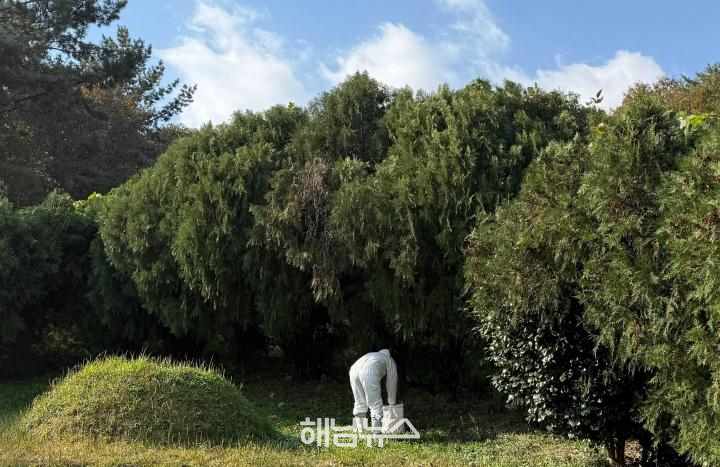 참진드기 채집 / 사진제공=전남광주통합특별시 |
전남광주통합특별시 전남보건환경연구원이 가을철 진드기 매개 감염병 확산을 막기 위해 털진드기와 참진드기 발생밀도 및 병원체 감시를 강화한다.
전남보건환경연구원은 기후변화로 진드기의 활동 시기와 서식 범위가 확대되면서 관련 감염병 발생 위험이 높아짐에 따라 질병관리청과 함께 선제적 감시체계를 운영한다고 밝혔다.
연구원은 가을철 대표 감염병인 쯔쯔가무시증의 매개체인 털진드기 발생밀도를 오는 12월까지 매주 조사한다.
또한 9월부터 11월까지 야생 설치류를 포획해 들쥐에 기생하는 털진드기를 채집하고, 쯔쯔가무시증 병원체 보유 여부를 분석할 계획이다. 조사 결과는 지역별 발생 위험을 예측하고 방역·예방 대책을 마련하는 기초자료로 활용된다.
참진드기를 대상으로 한 병원체 감시와 연구도 이어지고 있다. 연구원은 지난 4월부터 참진드기를 정기적으로 채집해 중증열성혈소판감소증후군(SFTS) 바이러스를 비롯한 주요 병원체 보유 여부를 조사하고 있다.
라임병의 원인균인 보렐리아균(Borrelia spp.)에 대한 연구도 지속한다. 연구원은 2024년 전국 보건환경연구원 가운데 처음으로 참진드기에서 보렐리아균을 분리했으며, 현재 분리 균주를 활용해 병원체의 특성을 분석하는 후속 연구를 진행하고 있다.
진드기 매개 감염병을 예방하려면 야외활동 때 긴소매 옷과 긴바지를 착용하고, 풀밭에 옷을 벗어 놓거나 직접 눕는 행동을 피해야 한다. 귀가 후에는 즉시 옷을 세탁하고 샤워하면서 진드기가 몸에 붙어 있는지 꼼꼼하게 확인하는 것이 중요하다.
야외활동 이후 발열과 오한, 근육통, 두통, 구토 등의 증상이 나타나거나 검은 딱지 형태의 가피가 발견되면 진드기 매개 감염병을 의심하고 신속히 의료기관을 찾아 진료받아야 한다.
박숙 전남보건환경연구원 보건연구부장은 “기후변화로 진드기 매개 감염병 발생 위험이 높아지는 만큼, 매개체 감시와 병원체 연구를 통해 감염병을 예방하고 지역민의 건강을 보호하는 데 힘쓰겠다.”고 말했다.
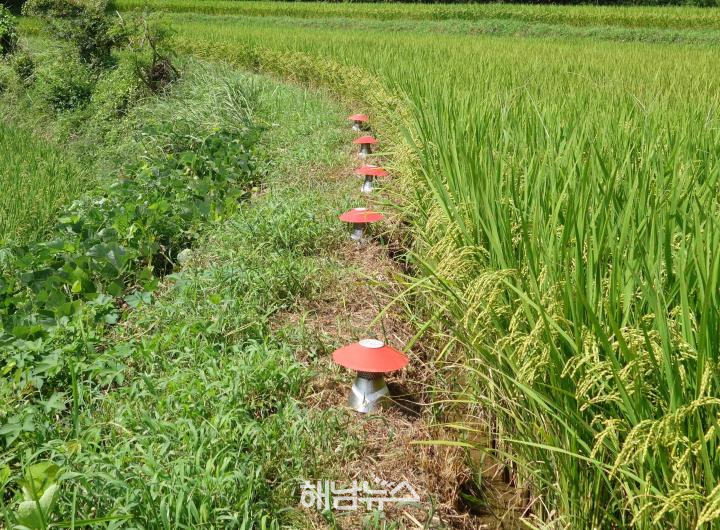 털진드기 채집 / 사진제공=전남광주통합특별시 |
Jeonnam Institute Strengthens Surveillance of Tick-Borne Diseases Ahead of Autumn
Chigger mite density to be monitored weekly through December
Wild rodents to be captured from September to November to collect chigger mites and test for pathogens
Surveillance intensified to assess the risk of scrub typhus outbreaks
Hard ticks collected since April and tested for the SFTS virus and other major pathogens
Borrelia bacteria isolated from hard ticks in 2024—the first such achievement by a provincial public health and environment institute in Korea
Follow-up studies underway to analyze the characteristics of the Lyme disease-causing pathogen
“Proactive surveillance in response to climate change will help prevent infectious diseases and protect public health”
【JEONNAM-GWANGJU=HAENAM NEWS】 haenamnews@kakao.com
The Jeonnam Institute of Health and Environment Research under the Jeonnam-Gwangju Special Metropolitan City government is strengthening surveillance of chigger mites, hard ticks and the pathogens they carry to prevent the spread of tick-borne diseases during the autumn season.
The institute said it is operating a proactive surveillance system in cooperation with the Korea Disease Control and Prevention Agency, as climate change is extending tick activity periods and expanding their habitats, thereby increasing the risk of tick-borne infections.
Through December, the institute will conduct weekly surveys of chigger mite density. Chigger mites transmit scrub typhus, one of Korea’s most common autumn infectious diseases.
From September through November, researchers will also capture wild rodents, collect chigger mites parasitizing the animals and test them for the pathogen that causes scrub typhus. The findings will be used as baseline data to assess regional outbreak risks and formulate disease-control and prevention measures.
Surveillance and research involving hard ticks are also continuing. Since April, the institute has regularly collected hard ticks and tested them for major pathogens, including the virus that causes severe fever with thrombocytopenia syndrome, or SFTS.
The institute is also continuing its research into Borrelia spp., the bacteria responsible for Lyme disease. In 2024, it became the first provincial institute of health and environment research in Korea to isolate Borrelia bacteria from hard ticks. Follow-up research is now underway using the isolated strain to analyze the pathogen’s characteristics.
To prevent tick-borne infections, people should wear long-sleeved shirts and long pants during outdoor activities. They should also avoid leaving clothing on grass or lying directly on grassy areas. After returning home, clothing should be washed immediately, and individuals should shower and thoroughly check their bodies for attached ticks.
Anyone who develops symptoms such as fever, chills, muscle pain, headache or vomiting after outdoor activities—or discovers a black, scab-like lesion known as an eschar—should suspect a possible tick-borne infection and promptly seek medical attention.
“As climate change increases the risk of tick-borne diseases, we will continue working to prevent infections and protect the health of local residents through vector surveillance and pathogen research,” said Park Suk, head of the Public Health Research Department at the Jeonnam Institute of Health and Environment Research.
 해남뉴스 박충배 편집 및 논설위원 news@hbcnews.kr