| 5·18을 헌법에 새기지 못한 정치, 독재의 역사를 말할 자격이 있는가. 해남뉴스 박충배 편집 및 논설위원 haenamnews@kakao.com |
| 2026년 05월 12일(화) 13:58 |
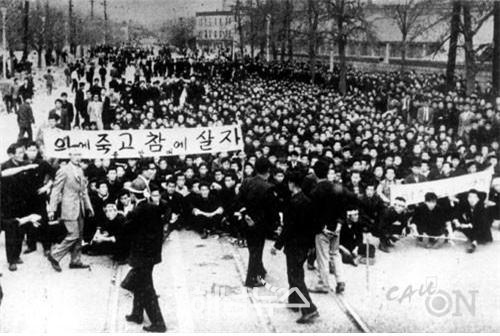 5.18 광주민주항쟁 / 사진제공=chat gpt |
【전남·광주=AI호남뉴스】 aihnnews@kakao.com
5·18민주화운동 46주년을 앞두고, 광주는 또다시 상처를 입었다.
5·18 정신을 헌법 전문에 담자는 요구는 특정 지역의 요구도, 특정 정당의 구호도 아니다.
그것은 국가폭력에 맞서 민주주의를 지켜낸 시민들의 피와 희생을 대한민국 헌법의 가치로 인정하자는 최소한의 역사적 예의다.
그런데도 국민의힘 일부 국회의원들의 불참과 집단 퇴장은 민주주의 역사 앞에 참담한 오점으로 남았다.
광주의 희생을 기억하자면서도 헌법적 계승 앞에서는 물러서는 정치, 그것이야말로 대한민국 민주주의를 다시 모욕하는 일이다.
대한민국 현대사는 독재와 항쟁의 반복이었다.
이승만 정권은 1960년 3·15 부정선거로 국민의 주권을 짓밟았고, 결국 4·19혁명 앞에서 하야했다. 국가기록원도 자유당 정권이 이승만과 이기붕 당선을 위해 치밀한 부정선거를 계획·시행했다고 기록하고 있다.
이승만은 4월 26일 하야성명을 발표한 뒤 하와이로 망명했다.
박정희 정권은 5·16 군사쿠데타로 집권했고, 유신체제를 통해 장기집권의 길을 열었다.
대통령 권력을 국민 위에 세우고, 헌법을 권력 연장의 도구로 삼은 시대였다.
민주주의는 통제됐고, 반대 목소리는 억압됐다.
전두환 신군부는 12·12 군사반란과 5·18 광주민주화운동 유혈진압의 책임에서 결코 자유로울 수 없다.
법원은 전두환에게 무기징역을 선고했고, 12·12와 5·18은 대한민국 사법부의 판단 속에서도 군사반란과 내란의 역사로 기록됐다.
그리고 윤석열 전 대통령 역시 헌정질서 훼손의 책임에서 자유롭지 않다.
헌법재판소는 2025년 4월 4일 대통령 윤석열 탄핵 사건에서 직무집행상 헌법과 법률 위반이 중대하다며 파면을 결정했다.
특히 비상계엄 선포를 둘러싼 위헌·위법 판단은 대한민국 민주주의가 얼마나 위험한 순간을 통과했는지를 보여준다.
이런 역사를 보라.
독재는 언제나 “국가를 위한다.”는 말로 시작했다.
부정선거도, 유신도, 군사반란도, 계엄도 모두 국민을 명분으로 삼았지만, 실제로는 국민의 입을 막고 권력을 지키기 위한 수단이었다.
그런데도 5·18 헌법 등재 앞에서 침묵하거나 퇴장하는 정치세력이 감히 민주주의를 말할 수 있는가.
광주의 피 위에 세워진 민주공화국에서, 5·18을 헌법에 새기는 일조차 외면하는 정치는 국민 앞에 부끄러워해야 한다.
부마항쟁과 5·18은 민주주의의 씨앗이었다.
4·19는 국민주권의 외침이었고, 6월 항쟁은 그 씨앗이 다시 피어난 역사였다. 광주는 패배하지 않았다. 광주는 대한민국 민주주의의 심장이 되었다.
국민의힘이 진정 보수정당이라면, 먼저 독재의 역사와 단절해야 한다. 이승만의 부정선거, 박정희의 유신독재, 전두환의 군사반란과 광주학살, 윤석열 정권의 헌정질서 훼손에 대해 분명한 역사적 선을 그어야 한다.
5·18 헌법 등재는 광주만의 명예가 아니다.
대한민국 헌법이 다시 국민의 피 위에 서 있음을 선언하는 일이다.
역사를 외면하는 정치는 미래를 말할 자격이 없다.
광주를 외면하는 정치는 민주주의를 말할 자격이 없다.
그리고 독재의 그림자와 결별하지 못한 정치세력은 국민 앞에서 더 이상 양심을 말할 자격이 없다.
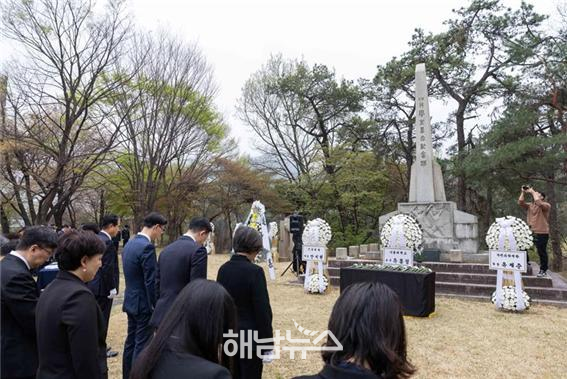 5.18 광주민주항쟁 / 사진제공=chat gpt |
【Editorial】
“A Politics That Refuses to Engrave May 18 into the Constitution Has No Right to Speak of Democracy or Dictatorship”
【Jeonnam·Gwangju = AI Honam News】 aihnnews@kakao.com
As the 46th anniversary of the May 18 Gwangju Democratization Movement approaches, Gwangju has once again been wounded.
The demand to include the spirit of May 18 in the preamble of the Constitution is neither a regional demand nor the slogan of a particular political party.
It is the minimum historical courtesy owed to the citizens who defended democracy against state violence with their blood and sacrifice, and to recognize their struggle as a constitutional value of the Republic of Korea.
Yet the boycott and collective walkout by some lawmakers of the People Power Party have left another disgraceful stain on the history of Korean democracy.
To claim to remember Gwangju’s sacrifice while retreating from its constitutional succession is nothing less than another insult to democracy itself.
Modern Korean history has been a repeated cycle of dictatorship and resistance.
The Syngman Rhee regime trampled on popular sovereignty through the fraudulent March 15 presidential election of 1960, ultimately collapsing before the April 19 Revolution.
The National Archives of Korea records that the Liberal Party systematically orchestrated election fraud to secure the victories of Syngman Rhee and Lee Ki-poong.
Rhee announced his resignation on April 26 and fled to Hawaii in exile.
The Park Chung-hee regime came to power through the May 16 military coup and paved the way for long-term dictatorship through the Yushin Constitution.
It was an era in which presidential power stood above the people and the Constitution itself became a tool for extending power.
Democracy was suppressed, and dissenting voices were silenced.
Chun Doo-hwan’s military junta can never escape responsibility for the December 12 military coup and the bloody suppression of the May 18 Gwangju Democratization Movement.
Korean courts sentenced Chun to life imprisonment, and both the December 12 coup and the May 18 massacre remain recorded in judicial history as acts of military rebellion and insurrection.
Former President Yoon Suk Yeol is likewise not free from responsibility for damaging the constitutional order.
On April 4, 2025, the Constitutional Court ruled that Yoon had gravely violated the Constitution and the law in the exercise of presidential power and ordered his removal from office.
In particular, the court’s judgment concerning the declaration of martial law revealed how dangerously close Korean democracy had come to constitutional collapse.
Look carefully at this history.
Dictatorship has always begun with the phrase, “for the nation.”
Election fraud, the Yushin dictatorship, military coups, and martial law all claimed to protect the people, yet in reality they served to silence citizens and preserve power.
And yet, how can political forces that remain silent or walk out in opposition to constitutional recognition of May 18 dare speak of democracy?
In a democratic republic built upon the blood of Gwangju, any politics that refuses even to inscribe May 18 into the Constitution should feel ashamed before the people.
The Bu-Ma Democratic Protests and the May 18 Movement were the seeds of Korean democracy.
The April 19 Revolution was the cry of popular sovereignty, and the June Democratic Uprising was the blossoming of those seeds once more.
Gwangju did not lose.
Gwangju became the beating heart of Korean democracy.
If the People Power Party truly wishes to call itself a conservative democratic party, it must first sever itself from the legacy of dictatorship.
It must draw a clear historical line against Syngman Rhee’s election fraud, Park Chung-hee’s Yushin dictatorship, Chun Doo-hwan’s military rebellion and massacre in Gwangju, and the constitutional violations committed under Yoon Suk Yeol.
The constitutional recognition of May 18 is not merely about the honor of Gwangju.
It is a declaration that the Constitution of the Republic of Korea once again stands upon the blood and sacrifice of its people.
Politics that ignores history has no right to speak of the future.
Politics that turns away from Gwangju has no right to speak of democracy.
And political forces that still fail to break free from the shadow of dictatorship no longer have the moral right to speak of conscience before the people.
 해남뉴스 박충배 편집 및 논설위원 haenamnews@kakao.com