| 제주 4·3, 아직도 끝나지 않은 국가의 시간 “침묵 위에 쌓인 진실”… 해남뉴스 박충배 편집 및 논설위원 haenamnews@kakao.com |
| 2026년 04월 01일(수) 10:15 |
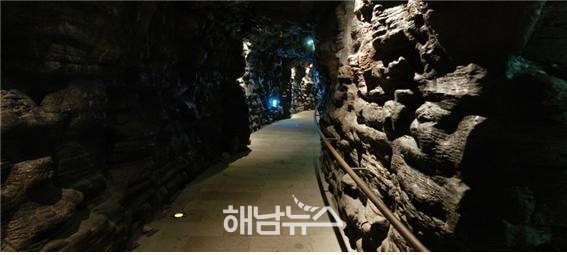 제주 4.3사건 평화재단 / 사진제공=호남뉴스 |
제주 4·3 사건은 단순한 과거의 비극이 아니다.
그것은 지금도 현재진행형으로 남아 있는 대한민국의 가장 아픈 질문이며, 국가의 존재 이유를 되묻게 하는 역사다.
1947년 3월, 제주에서 열린 3·1절 기념집회에서 경찰의 발포로 민간인이 희생되면서 긴장은 걷잡을 수 없이 확산됐다.
해방 이후 혼란과 이념 갈등이 격화되던 시기, 제주는 ‘좌익’이라는 이름으로 규정되었고, 그 낙인은 곧 국가폭력의 명분으로 변질됐다.
1948년 4월 3일을 기점으로 시작된 무력 충돌과 진압 과정은 점차 통제 불가능한 폭력으로 확대되었고, 결국 그 칼날은 무장 세력이 아닌 평범한 민간인에게 향했다.
당시 제주에서는 마을 단위의 초토화 작전이 벌어졌고, 중산간 지역 주민들은 이유도 모른 채 ‘적’으로 분류됐다.
노인과 여성, 어린아이까지 예외 없이 희생되었으며, 수만 명의 생명이 한순간에 사라졌다.
단지 그곳에 살고 있었다는 이유만으로, 시대의 소용돌이 속에서 제거 대상이 된 것이다. 이것은 단순한 충돌이 아니라, 국가 권력이 자국민을 향해 행사한 조직적 폭력이었다.
더 큰 문제는 총성이 멈춘 이후에 시작됐다.
살아남은 사람들은 또 다른 고통 속으로 밀려들어갔다.
유가족들은 오랜 세월 ‘빨갱이 가족’이라는 낙인을 짊어진 채 침묵을 강요당했고, 취업과 교육, 사회적 관계에서 지속적인 차별을 겪어야 했다. 부모의 죽음을 말할 수 없었고, 가족의 행방을 묻는 것조차 금기였다. 진실은 봉인되었고, 고통은 개인의 몫으로 남겨졌다.
세월이 흐른 뒤에야 국가가 일부 책임을 인정하고 공식 사과를 했지만, 그것이 모든 것을 해결하지는 못했다.
명예회복과 보상은 제한적으로 이루어졌고, 희생자와 유가족이 겪은 고통의 깊이에 비해 여전히 부족하다. 특히 당시 불법 군사재판으로 억울하게 유죄 판결을 받은 이들에 대한 완전한 법적 복권은 아직도 진행 중이며, 국가 권력의 책임 구조 역시 명확하게 규명되지 못했다.
더욱 심각한 것은 일부에서 여전히 이 사건을 왜곡하거나 축소하려는 시도가 이어지고 있다는 점이다.
4·3을 단순한 폭동으로 치부하는 시선은, 이미 한 번 국가폭력의 피해를 겪은 유가족들에게 또 다른 상처를 남긴다.
기억을 부정하는 사회는 결국 같은 비극을 반복할 수밖에 없다.
제주 4·3은 특정 지역의 문제가 아니다.
그것은 대한민국이라는 국가가 어떤 방식으로 국민을 대했는지를 보여주는 역사적 시험대다.
국민을 보호해야 할 국가가 오히려 국민을 적으로 규정하고 제거했다는 사실은, 어떤 이유로도 정당화될 수 없다. 그리고 그 책임은 시간이 지난다고 사라지지 않는다.
이제 필요한 것은 선언이나 상징적 조치가 아니다.
실질적인 해결이다.
희생자에 대한 충분한 배상과 유가족의 삶을 회복시키는 정책, 군사재판 피해자에 대한 완전한 재심과 명예회복, 국가 책임자에 대한 역사적 규명, 그리고 왜곡을 막기 위한 교육과 제도적 장치가 반드시 뒤따라야 한다.
더불어 아직도 진행 중인 유해 발굴과 신원 확인 역시 국가가 끝까지 책임져야 할 과제다.
제주의 봄은 매년 어김없이 찾아온다.
유채꽃은 피어나고 관광객들은 그 풍경을 즐긴다.
그러나 그 화사한 풍경 아래에는 여전히 이름을 찾지 못한 죽음과, 끝나지 않은 슬픔이 남아 있다.
유가족들에게 4·3은 과거가 아니라 현재이며, 해결되지 않은 질문이다.
국가는 이미 한 차례 사과했다.
그러나 진정한 사과는 말이 아니라 결과로 증명되어야 한다. 유가족들이 묻고 있는 것은 단순하다.
이제 무엇이 달라졌는가, 그리고 언제 끝나는가.
이 질문에 답하지 못한다면, 제주 4·3은 결코 끝난 사건이 아니다.
그것은 여전히 우리 사회가 해결해야 할 책임이며, 대한민국이 반드시 넘어야 할 역사적 과제다.
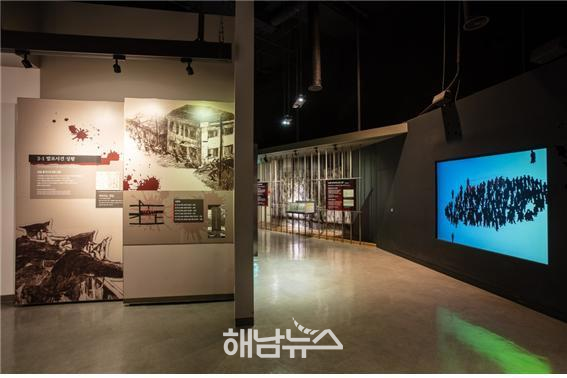 제주 4.3사건 평화기념관 / 사진제공=호남뉴스 |
Jeju April 3: The Unfinished Time of the State
“Truth Built Upon Silence”
【Jeonnam·Gwangju = AI Honam News】 aihnnews@kakao.com
The Jeju April 3 Incident is not merely a tragedy of the past.
It remains a living, ongoing question—one of the deepest wounds in modern Korean history—and forces us to confront the very purpose of the state.
In March 1947, during a March 1st Independence Movement commemoration in Jeju, police opened fire on civilians, triggering an uncontrollable escalation of tension.
Amid the chaos following liberation and intensifying ideological conflict, Jeju was branded as a “leftist island.” That label soon became the justification for state violence.
Beginning on April 3, 1948, armed uprisings and suppression operations spiraled into widespread, unrestrained violence.
Ultimately, the violence did not target only armed groups—it turned against ordinary civilians.
Entire villages were destroyed.
Residents of the mid-mountain regions were indiscriminately labeled as enemies.
The elderly, women, and children were not spared. Tens of thousands of lives were lost in an instant.
Their only “crime” was that they lived there.
Swept into the currents of history, they became targets of elimination.
This was not a mere conflict—it was organized violence by the state against its own people.
The deeper tragedy began after the gunfire ceased.
Survivors were pushed into another form of suffering.
For decades, bereaved families were forced to live under the stigma of being labeled “communist families.”
They endured discrimination in employment, education, and social life.
They could not speak of their fathers’ deaths.
Even asking about missing family members was taboo.
Truth was sealed away, and the burden of pain was left entirely to individuals.
Only after many years did the state begin to acknowledge partial responsibility and offer an official apology.
Yet this has not resolved everything.
Restoration of honor and compensation have been limited, falling far short of the scale of suffering endured by victims and their families.
In particular, many who were wrongfully convicted through illegal military trials are still in the process of seeking full legal rehabilitation.
Moreover, the structure of state responsibility remains insufficiently clarified.
Even more troubling is the continued effort by some to distort or minimize the incident.
Reducing April 3 to a mere “riot” inflicts renewed trauma on victims’ families who have already suffered state violence.
A society that denies memory is bound to repeat its tragedies.
Jeju April 3 is not a regional issue.
It is a historical test of how the Republic of Korea treated its own citizens.
A state that should have protected its people instead defined them as enemies and eliminated them.
Such actions can never be justified.
And responsibility does not disappear with time.
What is needed now is not symbolic gestures or declarations, but genuine resolution.
This includes:
Meaningful and sufficient compensation for victims
Policies that restore the lives of bereaved families
Full retrials and legal rehabilitation for victims of military tribunals
Historical accountability for those responsible
Education and institutional safeguards to prevent distortion
Continued state responsibility for the excavation and identification of remains
Spring comes to Jeju every year.
Canola flowers bloom, and visitors admire the landscape.
But beneath that bright scenery lie unnamed deaths and unresolved sorrow.
For the bereaved families, April 3 is not the past—it is the present, an unanswered question.
The state has apologized once.
But a true apology must be proven through action, not words.
The families ask a simple question:
What has truly changed—and when will this end?
If this question cannot be answered,
then Jeju April 3 is not over.
It remains a responsibility our society must confront,
and a historical task that the Republic of Korea must ultimately overcome.
 해남뉴스 박충배 편집 및 논설위원 haenamnews@kakao.com