| “G20을 남도로”… 전남도, 2028 G20 정상회의 유치 전략 본격 착수 AI·에너지 전환 도시 내세워 ‘연대·분산형 개최’ 새로운 모델 제시 해남뉴스 박충배 편집 및 논설위원 haenamnews@kakao.com |
| 2026년 03월 09일(월) 14:46 |
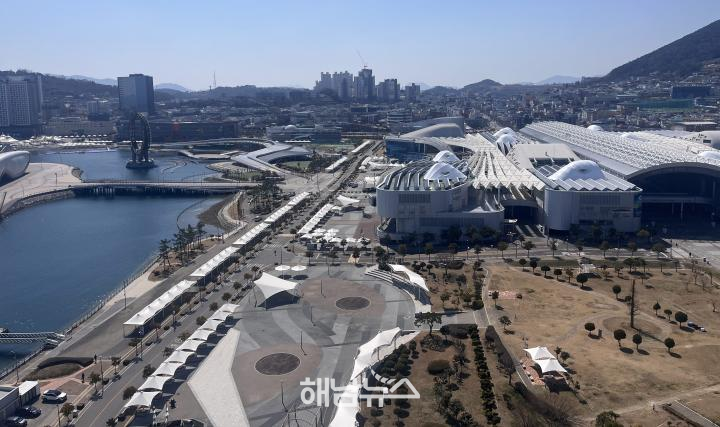 연대·분산형 회의 전략-2026 여수세계섬박람회장 전경(주행사장) / 사진제공=전라남도 |
전라남도가 2028년 G20 정상회의 유치를 목표로 본격적인 전략 수립에 나섰다. 전남·광주 통합특별시 출범을 앞두고 글로벌 정상외교 무대를 남도로 끌어오겠다는 구상으로, 기존의 단일 도시 중심 개최 방식에서 벗어난 새로운 국제회의 모델을 제시하겠다는 전략이다.
전라남도는 9일 정부의 G20 개최도시 공모에 선제적으로 대응하기 위해 ‘2028 G20 정상회의 유치 기본구상안 연구용역’을 추진한다고 밝혔다.
이번 용역은 지난 2월 11일 전남도가 전남·광주 통합특별시 글로벌 도약 전략의 하나로 G20 정상회의 유치를 공식 발표한 이후 진행되는 후속 조치다.
전남도와 광주는 이번 유치 전략에서 도시의 역사와 산업 구조, 미래 비전을 결합한 차별화된 메시지를 내세우고 있다.
민주주의를 실천해 온 역사적 도시라는 상징성과 함께, 기후위기 시대의 에너지 대전환을 실천할 수 있는 재생에너지 중심 지역이라는 점, 그리고 인공지능과 첨단기술을 기반으로 미래 산업을 준비하는 도시라는 점을 강조하고 있다.
여기에 누구도 소외되지 않는 포용적 사회 모델을 함께 제시해 국제사회가 논의하는 주요 의제와 도시 정체성을 연결하겠다는 구상이다.
특히 이번 구상에서 눈길을 끄는 부분은 ‘연대·분산형 회의’라는 새로운 개최 방식이다.
대형 국제회의가 한 도시에서 집중적으로 진행되는 기존 방식과 달리, 전남과 광주 권역을 하나의 네트워크로 연결해 정상회의와 장관회의, 관련 포럼을 분산 개최하겠다는 전략이다.
광주권은 김대중컨벤션센터와 국립아시아문화전당을 중심으로 문화외교와 정상회의의 핵심 공간으로 활용된다.
동부권은 여수와 순천, 광양을 중심으로 해양·관광 인프라를 기반으로 한 국제회의와 부대 행사를 담당하게 된다.
특히 여수는 2026 세계섬박람회와 유엔기후변화협약 당사국총회(COP33) 유치 과정에서 구축된 숙박과 관광 인프라를 활용할 수 있다는 점에서 강점으로 꼽힌다.
서부권은 재생에너지와 해상풍력 산업을 기반으로 기후와 에너지 전환을 상징하는 회의 공간으로 구성될 예정이다.
목포와 해남, 신안 등 재생에너지 중심 지역을 활용해 기후위기 대응과 에너지 전환이라는 글로벌 의제를 실제 산업 현장과 연결하는 ‘실천형 회의 모델’을 제시하겠다는 구상이다.
전라남도는 이번 연구용역을 통해 전남·광주의 도시 경쟁력과 개최 여건을 종합적으로 분석하고, G20 정상회의 유치를 위한 기본 전략과 실행 계획을 구체화할 예정이다.
또한 기존 국제회의와 차별화된 개최 방식과 핵심 메시지, 글로벌 의제를 반영한 콘셉트를 마련해 정부의 개최도시 선정 과정에 대응한다는 계획이다.
기본구상안은 오는 4월까지 수립될 예정이며, 이후 단계별 추진 로드맵을 마련해 본격적인 유치 활동에 돌입하게 된다.
손명도 전라남도 정책기획관은 “이번 연구용역은 전남·광주 통합특별시가 글로벌 정상외교 중심지로 도약하기 위한 전략적 준비 과정”이라며 “기후와 에너지, 문화와 산업 등 전남·광주의 강점을 세계적 의제로 발전시켜 대한민국의 새로운 G20 개최 모델을 제시하겠다.”고 말했다.
전남·광주가 추진하는 G20 정상회의 유치는 단순한 국제행사 유치를 넘어서는 의미를 갖는다.
7월 출범 예정인 전남·광주 통합특별시가 세계무대에서 존재감을 드러내는 상징적 계기가 될 수 있기 때문이다.
특히 재생에너지와 AI 산업, 해양 관광 인프라를 결합한 분산형 정상회의 모델이 현실화될 경우, 이는 지방이 주도하는 새로운 국제회의 개최 방식으로 기록될 가능성도 제기되고 있다.
 연대·분산형 회의 전략-2026 여수세계섬박람회장 전경(주행사장) / 사진제공=전라남도 |
“Bringing the G20 to the South”
Jeonnam Launches Full-Scale Strategy to Host the 2028 G20 Summit
Province Proposes a New “Networked, Distributed Summit” Model Based on AI and Energy Transition
[Jeonnam = Haenam News] haenamnews@kakao.com
South Jeolla Province (Jeonnam) has begun full-scale preparations to bid for the 2028 G20 Summit, aiming to bring one of the world’s most influential diplomatic gatherings to the southern region of Korea.
As the planned Jeonnam–Gwangju Integrated Special City approaches its launch, the province is seeking to elevate the region onto the global diplomatic stage. The strategy proposes a new international conference model that moves beyond the traditional single-city hosting format.
Jeonnam Province announced on March 9 that it will initiate a research project to develop a basic plan for attracting the 2028 G20 Summit, in order to proactively respond to the central government’s future call for host city proposals.
This research initiative follows the province’s official announcement on February 11 that hosting the G20 Summit would be part of its broader strategy to transform the Jeonnam–Gwangju Integrated Special City into a global hub.
Democracy, Climate Leadership, and AI Innovation
Jeonnam and Gwangju are promoting a distinctive narrative that combines historical identity, industrial strengths, and future vision.
They highlight:
A city that has practiced democracy, emphasizing Gwangju’s historical legacy.
A region leading the energy transition, with large-scale renewable energy and offshore wind development.
A hub for AI and advanced technologies, preparing for the industries of the future.
Alongside these strengths, the region aims to present itself as a model for an inclusive society where no one is left behind, connecting its local identity with key global agendas discussed by the international community.
A New “Distributed Summit” Across the Region
One of the most notable aspects of the proposal is the “networked, distributed summit” model.
Instead of concentrating all events in a single city, Jeonnam and Gwangju plan to connect multiple regional hubs into one integrated summit network, distributing leaders’ meetings, ministerial sessions, and related forums across the region.
Gwangju Area
The Kim Dae-jung Convention Center and the Asia Culture Center will serve as core venues for summit meetings and cultural diplomacy events.
Eastern Region (Yeosu–Suncheon–Gwangyang)
International meetings and side events will utilize marine tourism infrastructure and hospitality facilities.
Yeosu in particular is considered well positioned due to accommodation and tourism infrastructure developed during preparations for the 2026 World Island Expo and the bid for COP33 (UN Climate Change Conference).
Western Region (Mokpo–Haenam–Shinan)
This area will symbolize the global agenda of climate action and energy transition.
Renewable energy and offshore wind clusters will be used to showcase a “practical summit model” linking global discussions with real industrial sites.
Basic Plan to Be Completed by April
Through the research project, Jeonnam Province will analyze the regional conditions and competitiveness of Jeonnam and Gwangju, and develop a comprehensive strategy and implementation roadmap for hosting the summit.
The plan will also define a distinctive hosting format, core messages, and thematic concepts aligned with global agendas, strengthening the region’s position in the government’s future host city selection process.
The basic plan is expected to be completed by April, after which the province will move forward with step-by-step promotional and bidding activities.
Son Myeong-do, Director of Policy Planning at Jeonnam Province, said:
“This research project is a strategic preparation process for the Jeonnam–Gwangju Integrated Special City to emerge as a global center of summit diplomacy.
By elevating the region’s strengths in climate action, energy transition, culture, and industry to the global agenda, we aim to present a new model for hosting the G20 in Korea.”
Hosting the G20 Summit in Jeonnam and Gwangju would carry significance beyond a major international event.
It could become a symbolic moment demonstrating the global presence of the Jeonnam–Gwangju Integrated Special City, which is scheduled to launch in July.
If realized, the proposed distributed summit model combining renewable energy, AI industries, and marine tourism infrastructure could also become a pioneering example of a locally led international conference model in the global arena.
 해남뉴스 박충배 편집 및 논설위원 haenamnews@kakao.com