| AI가 행정을 편하게 만들수록, 군민의 권리는 더 세심하게 보호돼야 한다 해남·전남 행정통합 시대, 인공지능 행정의 조건 해남뉴스 박충배 편집 및 논설위원 haenamnews@kakao.com |
| 2026년 02월 03일(화) 14:33 |
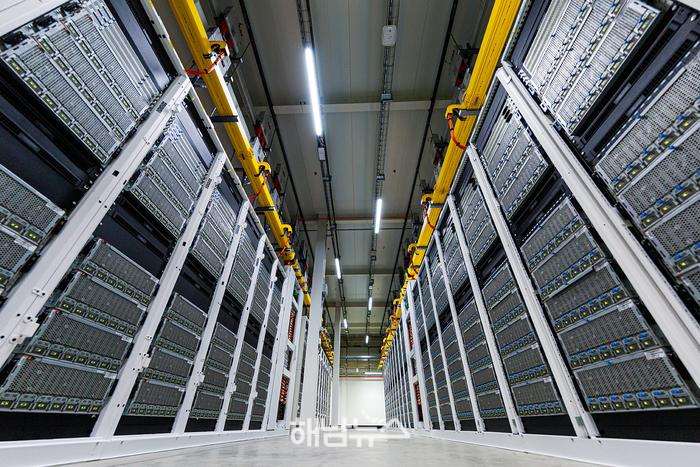 AI데이터센타 전력 저장 / 사진제공=호남뉴스 |
【사설】
인공지능(AI)은 행정을 빠르게 만들고 있다.
복지 대상자 선정, 각종 인허가 심사, 농수산 경영 분석까지 AI는 공공영역 전반에 스며들며 효율을 앞세운다.
전남·광주 행정통합 논의와 맞물려 해남 역시 AI 기반 행정과 농수산 정책의 실험지로 주목받고 있다.
그러나 속도가 빨라질수록, 반드시 함께 점검해야 할 것이 있다.
행정의 편리함만큼 군민의 권리는 더 촘촘히 보호되고 있는가라는 질문이다.
행정 AI의 가장 큰 위험은 ‘자동화된 결정’이다.
지원 대상에서 탈락한 군민이 이유를 묻지 못하고, 농업·수산 보조금이 점수로만 판정되며, 예외적 상황이 시스템 밖으로 밀려난다면 그것은 효율이 아니라 배제다.
특히 농수산 현장은 기후·병해·수온 변화처럼 데이터로 온전히 설명할 수 없는 변수들로 가득하다.
평균값에 강한 AI가 현장의 예외를 놓칠 때, 피해는 고스란히 농어민에게 돌아간다.
대안은 분명하다.
첫째, AI 행정의 모든 결정에는 설명권이 보장돼야 한다.
군민이 왜 이런 결과가 나왔는지 이해할 수 없다면, 그 행정은 정당성을 잃는다.
둘째, 이의제기와 재검토 절차를 제도화해야 한다.
AI 판단은 최종 결정이 아니라 ‘권고’에 그쳐야 하며, 반드시 사람의 재확인이 뒤따라야 한다.
셋째, 데이터의 공개와 검증이 필요하다.
어떤 기준과 자료가 사용되는지, 특정 집단에 불리한 편향은 없는지 점검받아야 한다.
넷째, 책임의 주체를 명확히 해야 한다.
AI 권고로 발생한 행정 피해에 대해 행정기관이 책임을 회피해서는 안 된다.
행정통합의 시대는 규모의 행정이 아니라 신뢰의 행정을 요구한다.
기술이 앞서갈수록 민주주의의 기준은 더 엄격해져야 한다.
AI는 행정을 대신할 수는 있어도, 군민의 권리를 대신할 수는 없다.
해남과 전남이 선택해야 할 길은 분명하다.
빠른 행정보다 공정한 행정, 자동화된 판단보다 설명 가능한 결정이다. AI가 행정을 편하게 만들수록, 군민의 권리는 더 세심하게 보호돼야 한다.
그것이 통합과 혁신을 지속 가능하게 만드는 유일한 조건이다.
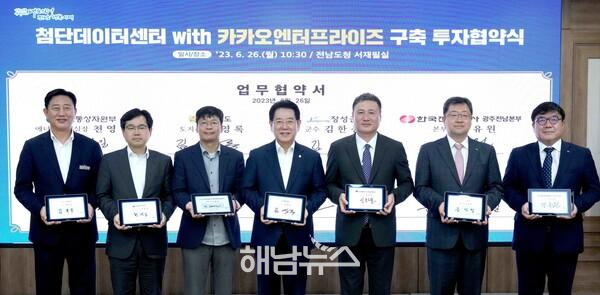 AI 데이터센터 업무협약 / 사진제공=전라남도 |
[Jeonnam = Haenam News]
haenamnews@kakao.com
[Editorial]
The More AI Makes Administration Convenient, the More Carefully Citizens’ Rights Must Be Protected
— Conditions for AI-Based Governance in the Era of Haenam–Jeonnam Administrative Integration
Artificial intelligence (AI) is making administration faster.
From selecting welfare recipients and reviewing permits and licenses to analyzing agricultural and fisheries management, AI is permeating the public sector with efficiency as its primary selling point.
As discussions on administrative integration between Jeonnam Province and Gwangju accelerate, Haenam is also drawing attention as a testing ground for AI-driven administration and agricultural and fisheries policy.
However, the faster the system moves, the more urgently one question must be examined alongside it:
Are citizens’ rights being protected as meticulously as administrative convenience is being expanded?
The greatest risk of AI-driven administration lies in automated decision-making.
If a resident who is excluded from welfare support cannot ask why, if agricultural and fisheries subsidies are judged solely by numerical scores, and if exceptional circumstances are pushed outside the system, this is not efficiency—it is exclusion.
This risk is especially pronounced in agricultural and fisheries communities.
These sectors are shaped by variables that cannot be fully captured by data alone: climate change, disease outbreaks, and sudden shifts in water temperature.
When AI—strong in averages—fails to recognize on-the-ground exceptions, the damage falls squarely on farmers and fishers.
The alternatives are clear.
First, every AI-driven administrative decision must guarantee the right to explanation.
If citizens cannot understand why a particular result was produced, that administration loses its legitimacy.
Second, formal objection and review procedures must be institutionalized.
AI judgments should remain recommendations, not final decisions, and must always be followed by human verification.
Third, data transparency and verification are essential.
The standards and data being used must be disclosed, and systems must be examined for biases that disadvantage specific groups.
Fourth, the locus of responsibility must be made explicit.
Administrative bodies must not evade accountability for harm caused by decisions based on AI recommendations.
The era of administrative integration demands not governance of scale, but governance of trust.
As technology advances, the standards of democracy must become more rigorous.
AI may assist administration, but it cannot replace citizens’ rights.
The path Haenam and Jeonnam must choose is clear.
Fair administration over fast administration, explainable decisions over automated judgments.
The more AI makes administration convenient, the more carefully citizens’ rights must be protected.
That is the only way integration and innovation can remain sustainable.
 해남뉴스 박충배 편집 및 논설위원 haenamnews@kakao.com